
Ashwagandha, turmeric, triphala, bacopa, guduchi, shatavari: Ayurvedic herbs have moved from specialist shops into mainstream supplements, teas and skincare across the USA, Europe and beyond. For brands outside India, sourcing them well takes a little local knowledge. The same herb can go by three names, one Hindi name can mean two different plants, and some traditional preparations aren't herbal at all. Here's a practical guide for overseas buyers.
Key takeaways
- Always specify the botanical (Latin) name and plant part; common Ayurvedic names can be ambiguous.
- Single-herb powders and extracts are different from classical "rasa shastra" preparations, which can deliberately contain metals.
- Test heavy metals on every batch, whatever the product type.
- Some Ayurvedic species are protected under CITES and need export permits.
Get the names right
Ayurvedic herbs have Sanskrit, Hindi and regional names, and they don't always map neatly onto one species. "Brahmi", for example, is used for both Bacopa monnieri and Centella asiatica (gotu kola), two quite different plants. Write every specification with the botanical name and plant part:
| Common name | Botanical name | Part usually used |
|---|---|---|
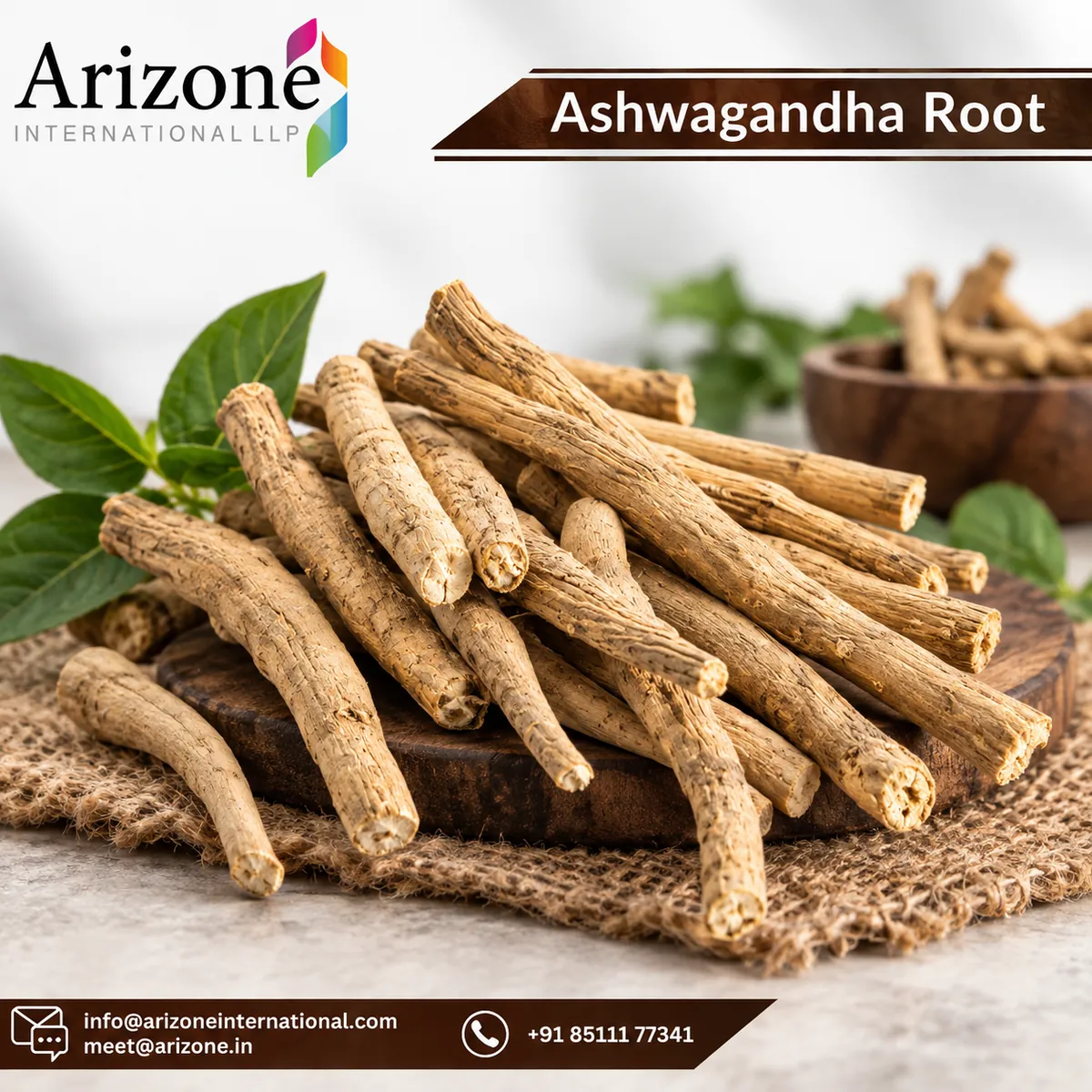
| Ashwagandha | Withania somnifera | Root |
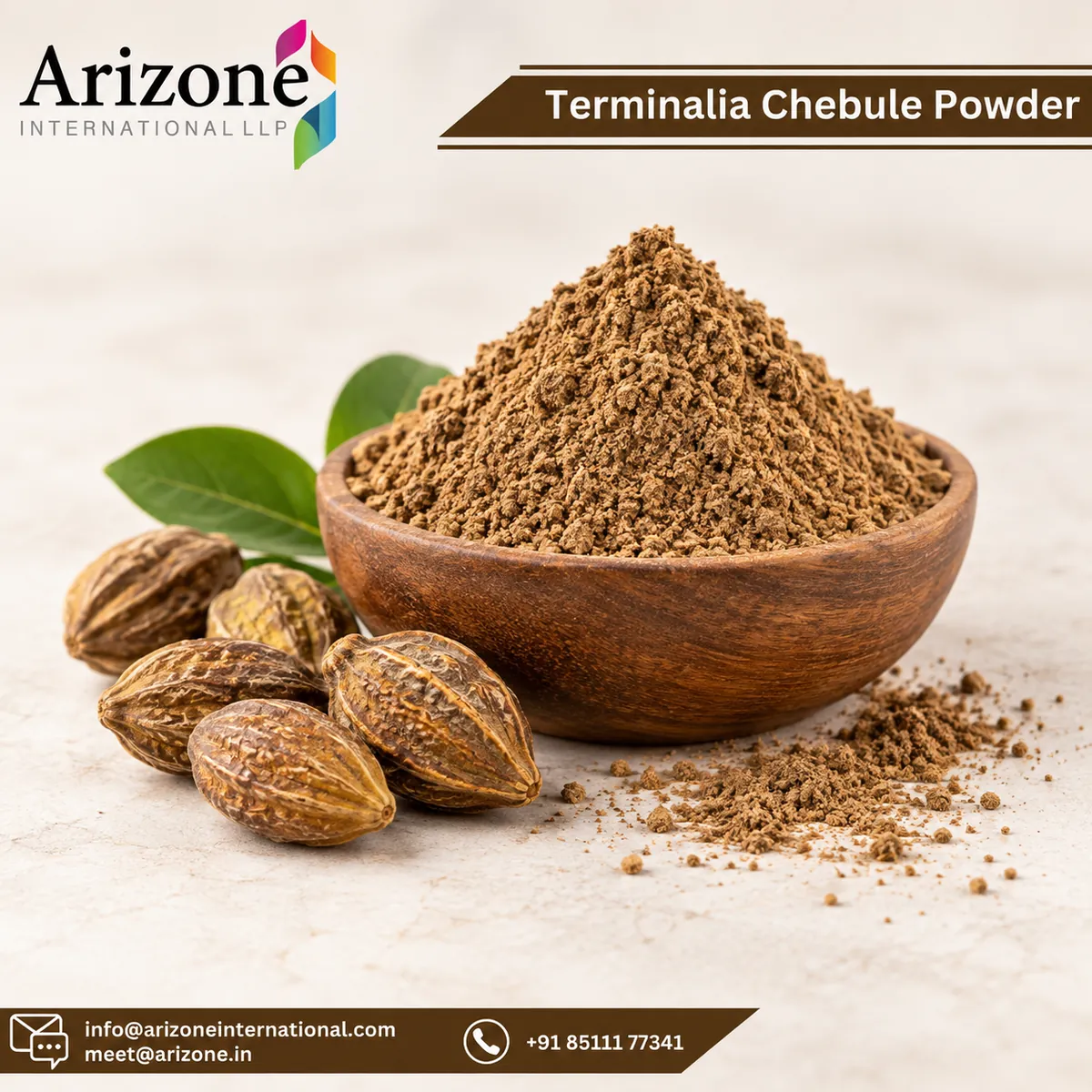
| Haritaki (harad) | Terminalia chebula | Fruit |
| Bibhitaki (baheda) | Terminalia bellirica | Fruit |
| Amla | Phyllanthus emblica | Fruit |
| Guduchi (giloy) | Tinospora cordifolia | Stem |
| Gokshura (gokhru) | Tribulus terrestris | Fruit |
| Arjuna | Terminalia arjuna | Bark |
| Brahmi | Bacopa monnieri (sometimes Centella asiatica) | Whole herb |
Triphala is a classic blend of equal parts amla, haritaki and bibhitaki fruit. If you buy it ready-mixed, ask for the ratio and for identity tests on each fruit.
Heavy metals and classical preparations
Some traditional Ayurvedic formulations, known as rasa shastra, intentionally include processed metals or minerals. A 2008 study in JAMA bought 193 Ayurvedic products online and found that about one in five (20.7%) contained detectable lead, mercury or arsenic. Rasa shastra products were more likely to contain metals than others (40.6% vs 17.1%), and products made in the USA and in India showed similar rates.
For overseas supplement brands, the lesson is simple. Single-herb powders and standardised extracts are a different category from metal-based preparations, but plants can still pick up metals from soil and processing. Set limits for lead, cadmium, mercury and arsenic that meet your market, and ask for results on every batch. Our guide to lead testing in turmeric shows why per-batch numbers matter.
Building an Ayurvedic range? Ask for specs with botanical names, metals limits and a sample COA.
Request SpecsCultivated, wild-collected and protected herbs
Some Ayurvedic herbs are farmed at scale, such as ashwagandha, turmeric, senna and psyllium. Others are largely wild-collected, which makes supply and quality more seasonal. A few are protected: jatamansi (Nardostachys jatamansi) and kutki (Picrorhiza kurroa), for example, are listed in CITES Appendix II, so international trade needs permits. Ask suppliers whether a herb is cultivated or wild, where it comes from, and what permits apply.
In India, Ayurvedic medicines are licensed under the AYUSH system. Exported as supplement ingredients, they're regulated by the importing country's rules instead, so a product that's an Ayurvedic medicine in India may be a food supplement, a traditional herbal medicine or not permitted at all in your market. Check before you build a product around it; see, for example, ashwagandha's status in Europe.
Supplier checklist
- Botanical name, plant part and form (powder, extract ratio or standardised extract)
- Identity method, such as an HPTLC fingerprint against a reference
- Heavy metals, pesticides and microbiology as numbers per batch
- Origin, cultivated or wild, and any CITES documents
- Confirmation that single-herb products contain no added minerals or metals
- Organic certificates if you sell organic; see buying organic herbs from India
Ayurveda's names are poetic. Your specification shouldn't be. Write the Latin name, the plant part and the test method.
Ayurvedic Herbs and Extracts We Export
Classic Ayurvedic botanicals as whole herbs, powders and extracts for overseas brands, with a certificate of analysis for every batch.
Ashwagandha Root
View Product Haritaki Powder
View Product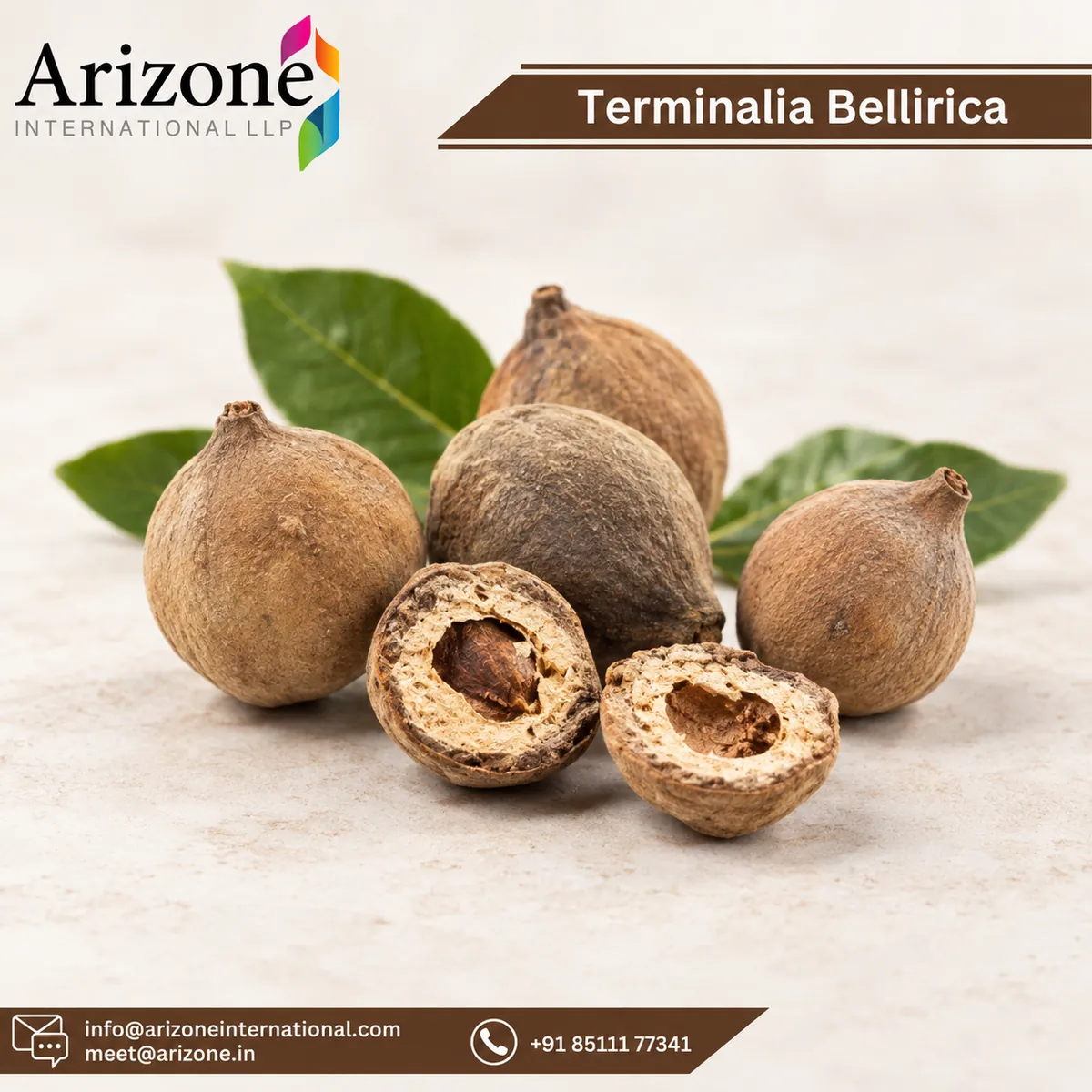
Bibhitaki Powder
View Product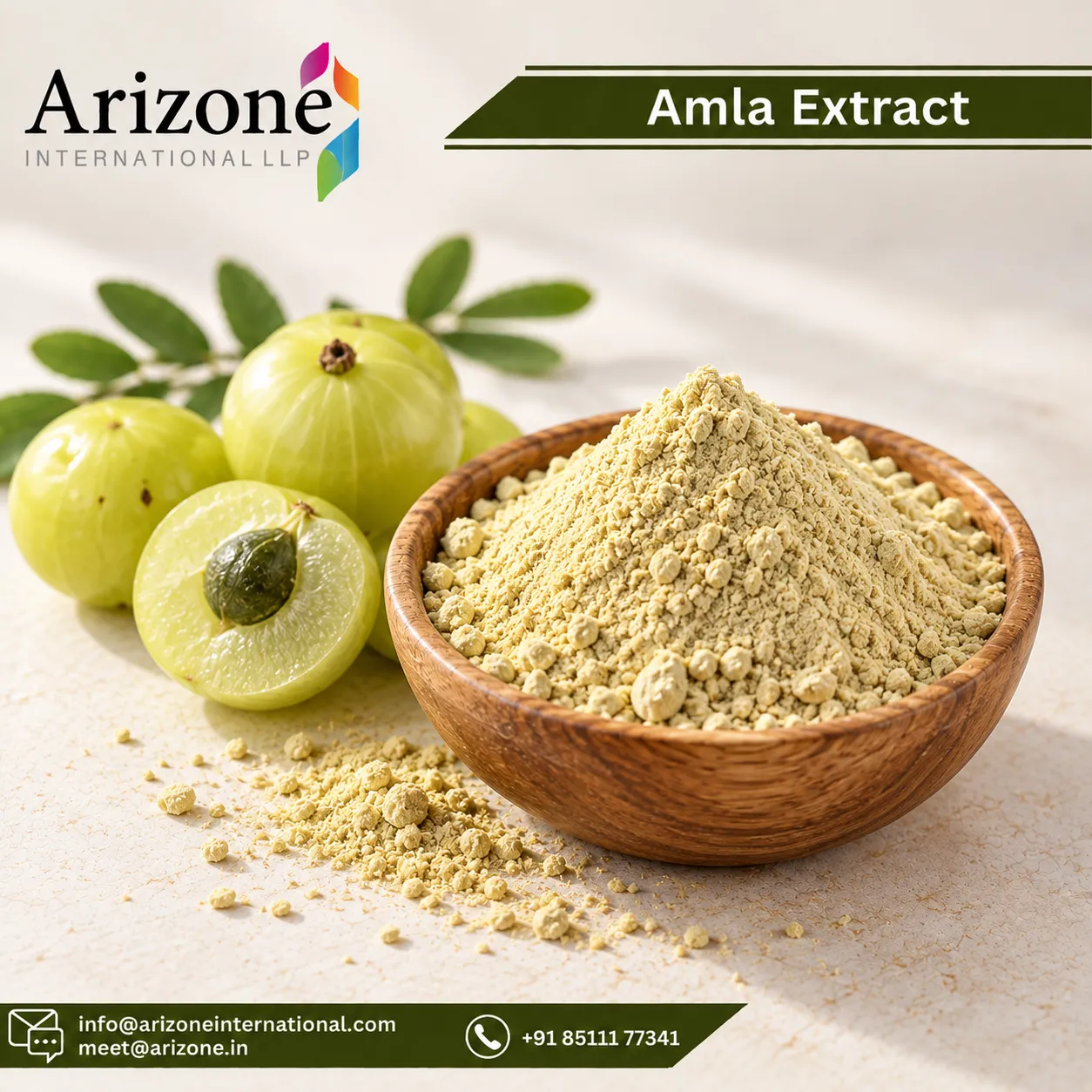
Amla Extract
View Product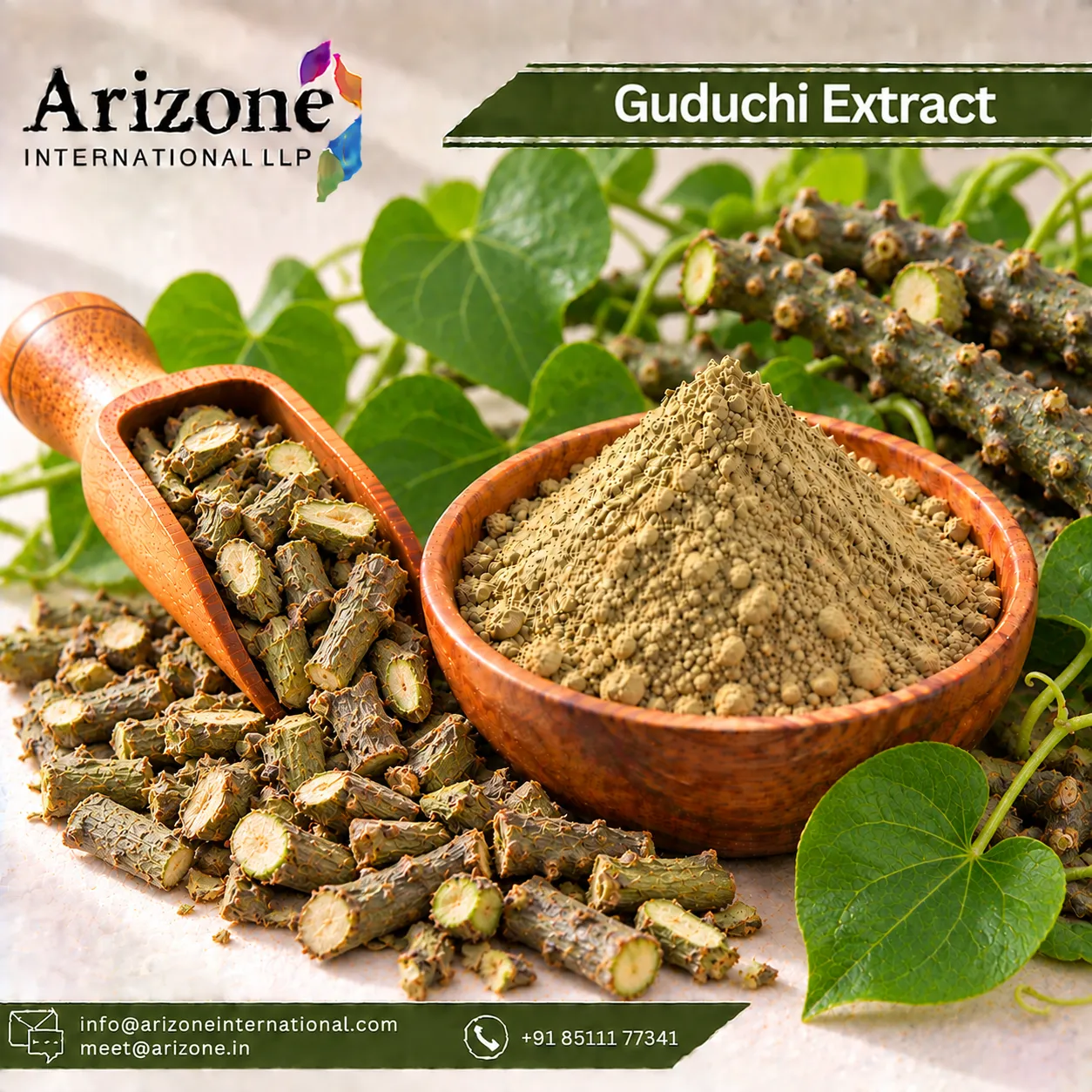
Guduchi Extract
View Product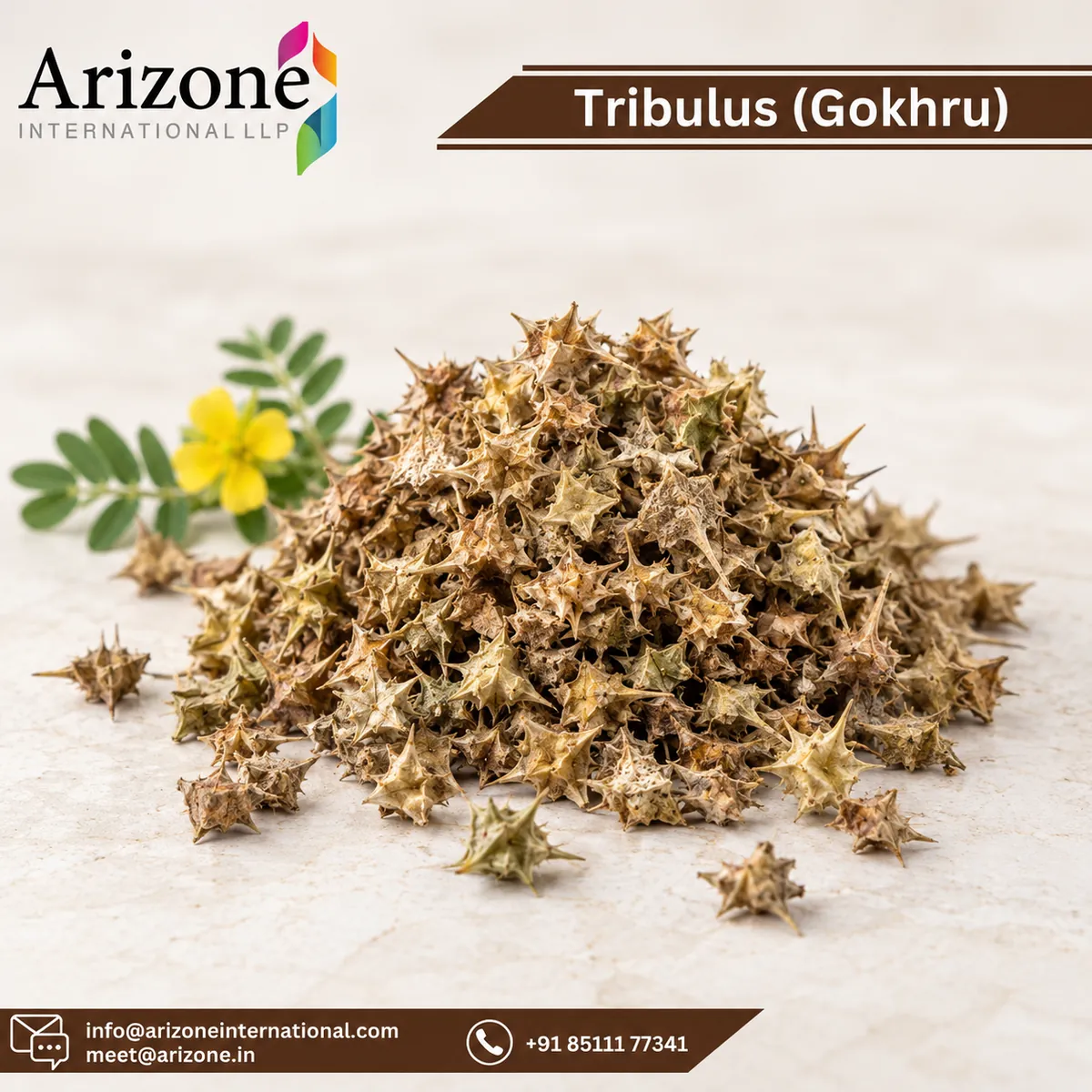
Gokshura Powder
View Product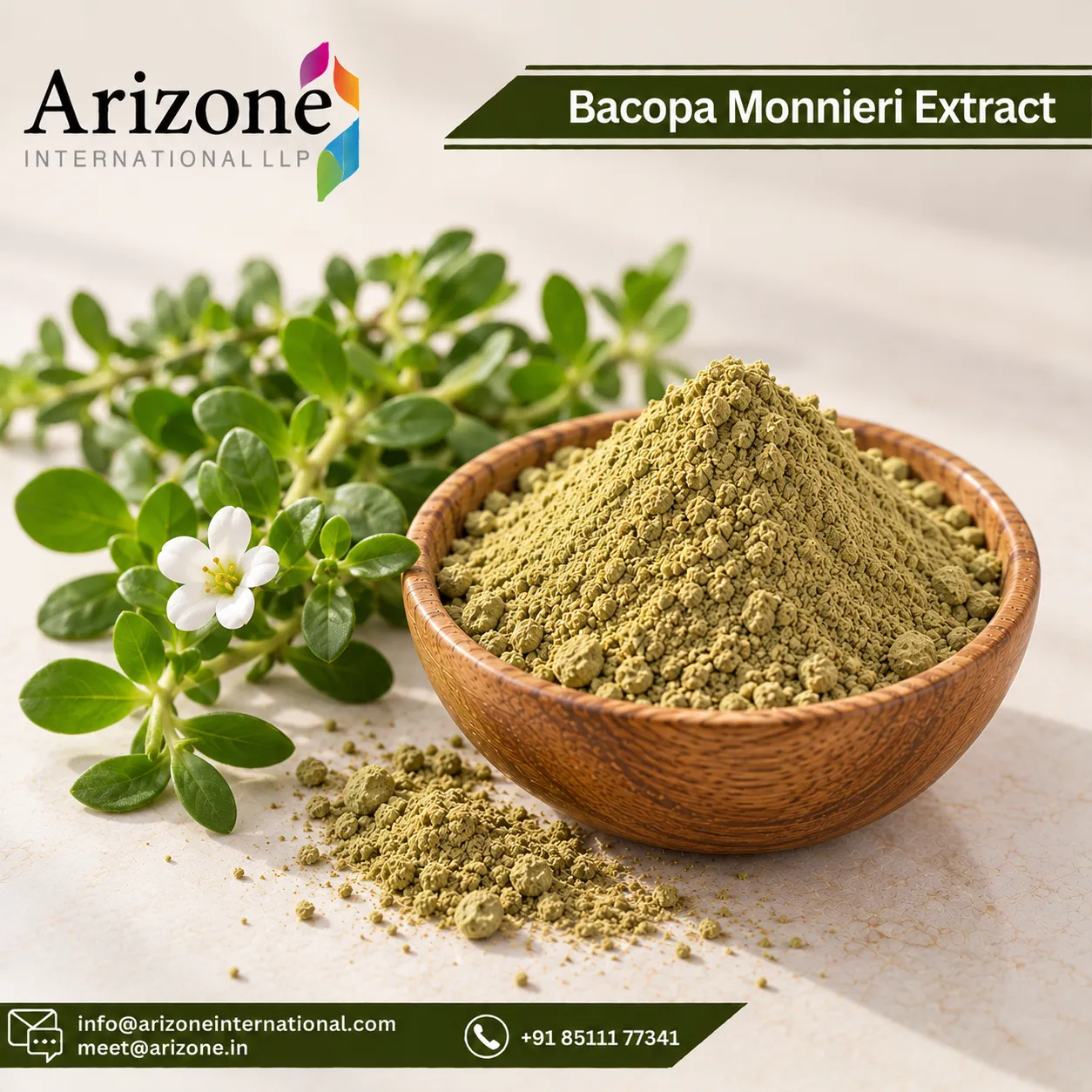
Bacopa Monnieri Extract
View Product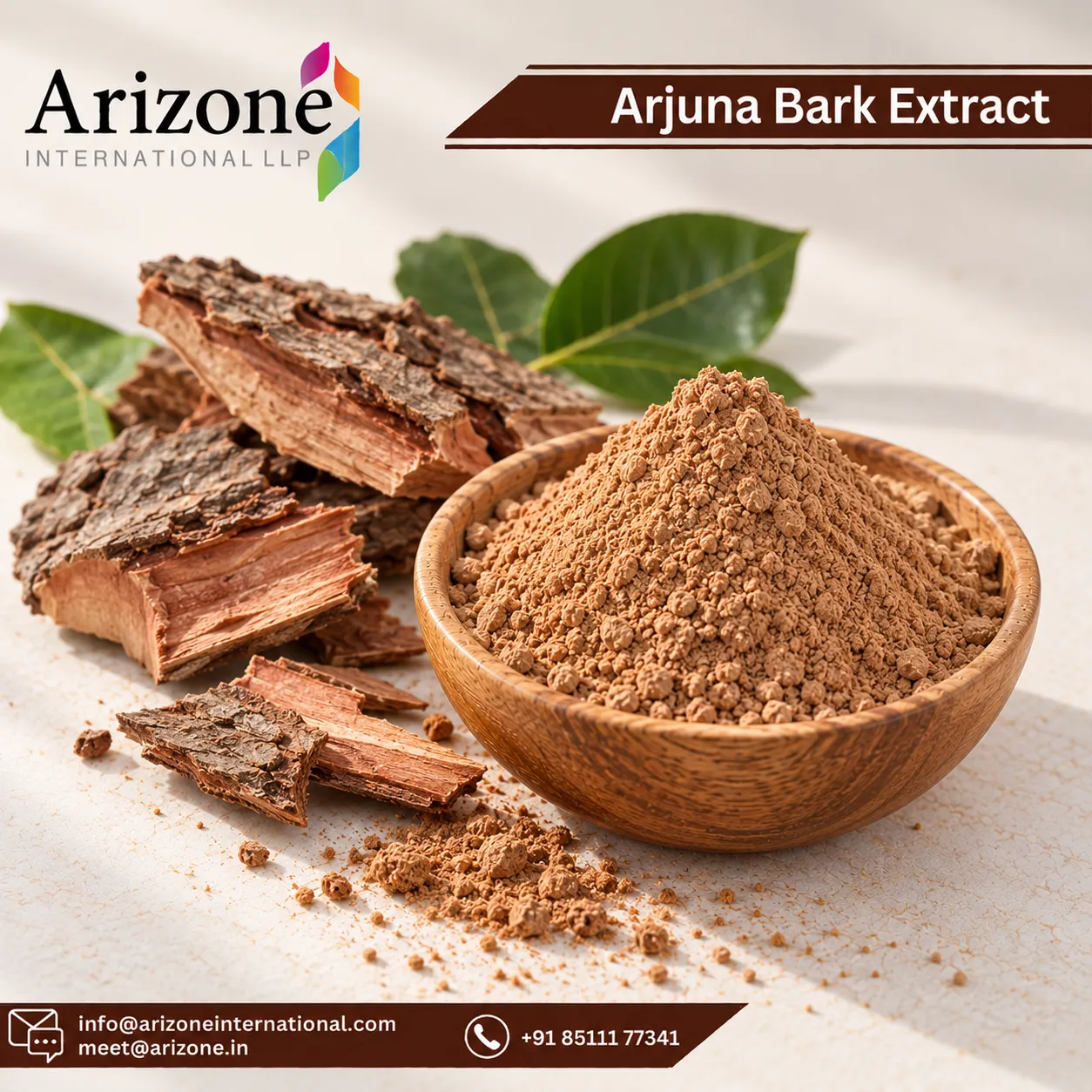
Arjuna Bark Extract
View ProductAyurvedic herbs from Arizone
Arizone International LLP supplies Ayurvedic botanicals as whole herbs and powders, extracts and capsules to brands and manufacturers outside India. Our single-herb products are plant-based, and every batch ships with a certificate of analysis. Tell us your market and specification, and we'll confirm the botanical identity, tests and limits we can document. See our certificates for facility credentials.
Sources: Saper et al., JAMA 2008: lead, mercury and arsenic in Ayurvedic medicines sold online (CDC Stacks); CITES Appendices.
Ayurvedic Sourcing Questions
Some classical rasa shastra preparations contain metals on purpose. Single-herb powders and extracts don't, but should still be tested for metals every batch.
Usually, but not always. Brahmi can refer to Bacopa monnieri or Centella asiatica. Always specify the botanical name.
Traditionally equal parts of three fruits: amla (Phyllanthus emblica), haritaki (Terminalia chebula) and bibhitaki (Terminalia bellirica).
Yes. Species such as jatamansi and kutki are listed in CITES Appendix II, so their international trade needs permits.