
Europe has some of the most experienced botanical extractors in the world, and a dense network of distributors in Germany, the Netherlands, Italy, France and Spain. So when an EU supplement, food or cosmetic brand searches for "European herbal extract suppliers", there's no shortage of names. The harder part is working out who actually makes the extract, whether it meets EU limits that are stricter than most other markets, and whether paying a European margin makes sense for every ingredient on your list.
Key takeaways
- Many extracts sold by European suppliers are made outside Europe, especially Ayurvedic botanicals such as turmeric, boswellia and ashwagandha.
- EU contaminant limits for food supplements cover lead, cadmium, mercury, pyrrolizidine alkaloids and PAHs, and ethylene oxide residues aren't tolerated.
- The company placing the product on the EU market is responsible for compliance, so supplier documents matter more than the supplier's address.
- A common setup: a European distributor for small or urgent lines, direct supply for high-volume core extracts.
Who supplies herbal extracts in Europe
European suppliers fall into a few groups. There are extractors who process botanicals in their own EU plants, often specialising in herbs grown in Europe such as milk thistle, valerian, chamomile or hawthorn. There are ingredient distributors who buy from manufacturers worldwide, hold stock in EU warehouses and sell in smaller lots. And there are traders who move material without stocking or testing it themselves.
For herbs that don't grow in Europe, the supply chain starts somewhere else whoever you buy from. Turmeric, boswellia, ashwagandha, bacopa, gymnema and psyllium come mainly from India; many other extracts come from China. A European distributor adds real value through local stock, EU invoicing and language support, but it rarely changes where or how the extract was made. Ask every supplier, politely and directly, who the manufacturer is and whether you can see that manufacturer's batch data.
EU rules that shape your specification
These are the points EU buyers most often build into their specifications:
- Contaminant limits: Regulation (EU) 2023/915 sets maximum levels for food supplements, including lead, cadmium and mercury, a limit of 400 µg/kg for pyrrolizidine alkaloids in supplements containing herbal ingredients, and PAH limits for supplements containing botanicals.
- Pesticides and ethylene oxide: pesticide residues must stay within EU maximum residue levels, and ethylene oxide, a fumigant not approved in the EU, led to large recalls in 2020–21. Ask for residue results, not just a statement.
- Increased import checks: some products from India and other countries face extra controls at the EU border under Regulation (EU) 2019/1793. The list changes regularly. In 2026, for example, some Indian spices were removed for good compliance while checks on cumin seeds were tightened.
- Novel foods: a botanical or extract without a significant history of consumption in the EU before 15 May 1997 needs novel food authorisation. Unusual extraction methods or very high concentrations can raise the same question.
- National botanical lists and claims: food supplement rules are partly national, so a plant accepted in one member state can be restricted in another. Health claims for botanicals remain on hold; see our guide to EU health claims for botanicals and ashwagandha's status in Europe.
- Extraction solvents: solvents used for food ingredients must be permitted under EU rules, with residue limits where set.
Final responsibility sits with the business placing the product on the EU market. Industry guidance from Food Supplements Europe says the same about pyrrolizidine alkaloids: suppliers should meet the specifications their customers set, but the brand answers for the finished product.
Checking a supplier against EU limits? Ask us for a specification and a sample COA.
Request SpecsEuropean distributor or direct manufacturer?
| European distributor | Direct from manufacturer | |
|---|---|---|
| Order size | From a few kilos | Usually from a few 25 kg drums |
| Delivery | Days, from EU stock, duty already paid | Weeks; you or your forwarder handle import |
| Price at volume | Includes distributor margin and warehousing | Lower per kilo |
| Batch data | Often the maker's COA, sometimes re-tested in the EU | Direct from the lab that tested the batch |
| Custom specification | Limited to stocked grades | Can be agreed before production |
| Best for | Trials, small lines, urgent top-ups | Core, repeat, high-volume extracts |
If you buy direct, budget for your own EU lab testing on arrival, at least for identity and the contaminants that matter for your product. Our guide on importing herbal extracts from India into the EU walks through the paperwork.
EU supplier checklist
- Specification with botanical name, plant part, extraction solvent, carrier and marker compound with test method
- Batch COA plus results for heavy metals, pesticides including ethylene oxide, pyrrolizidine alkaloids and PAHs where relevant
- Microbiology and how it's controlled; see steam vs ETO vs irradiation
- Identity data such as an HPTLC or HPLC fingerprint; see adulteration and identity testing
- Allergen, GMO and irradiation statements, and the carrier's origin
- Facility certificates (GMP, ISO 22000 or FSSC 22000) and organic certificates if you sell organic
- A pre-shipment sample from the production lot
In Europe, a supplier's postcode matters less than its paperwork. The brand on the label carries the responsibility either way.
Herbal Extracts We Export to Europe
Popular extracts for EU supplement, food and cosmetic brands, shipped direct from our facility in India with a certificate of analysis for every batch.

Turmeric Extract
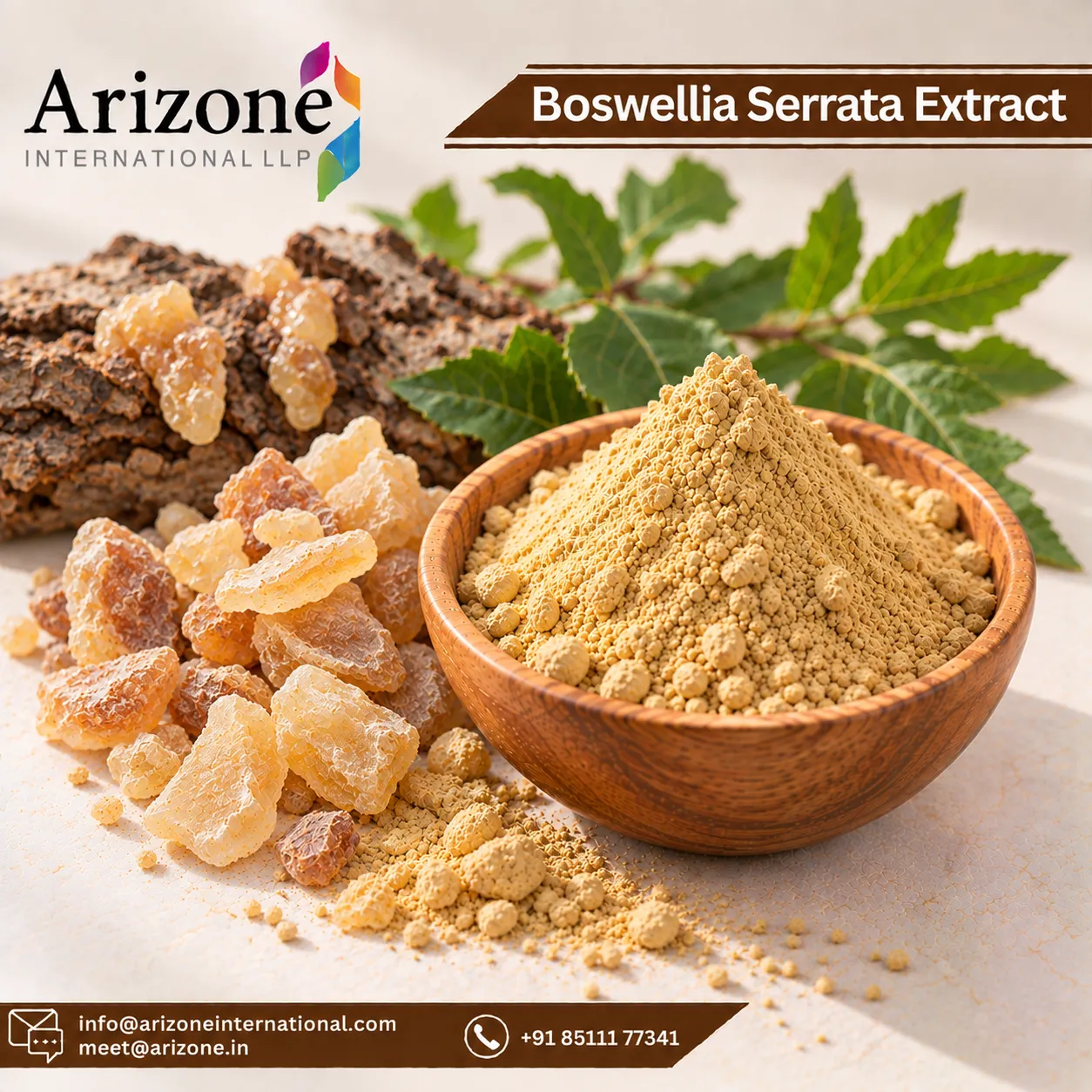
View Product Boswellia Serrata Extract
View Product
Grape Seed Extract
View Product
Moringa Leaf Extract
View Product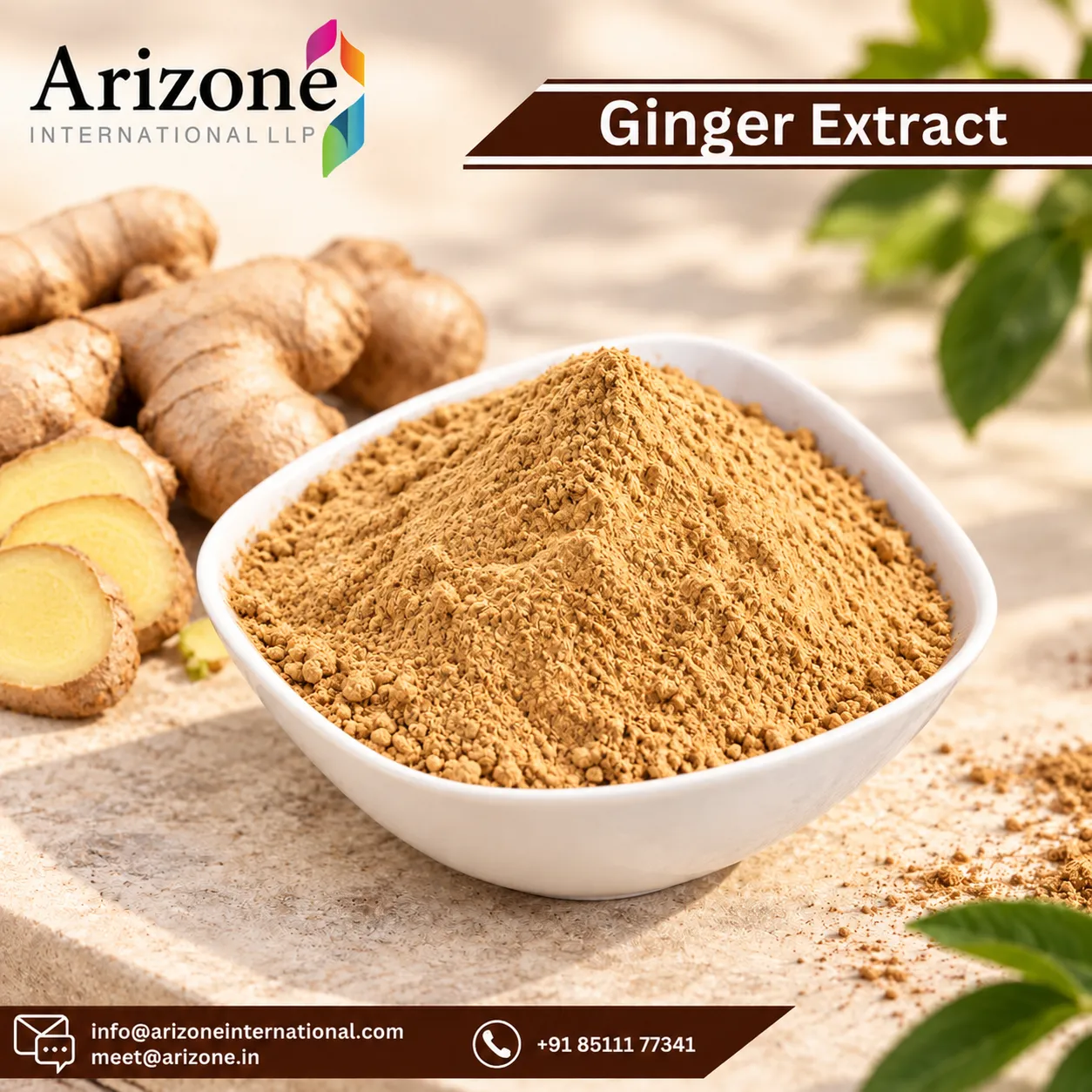
Ginger Extract
View Product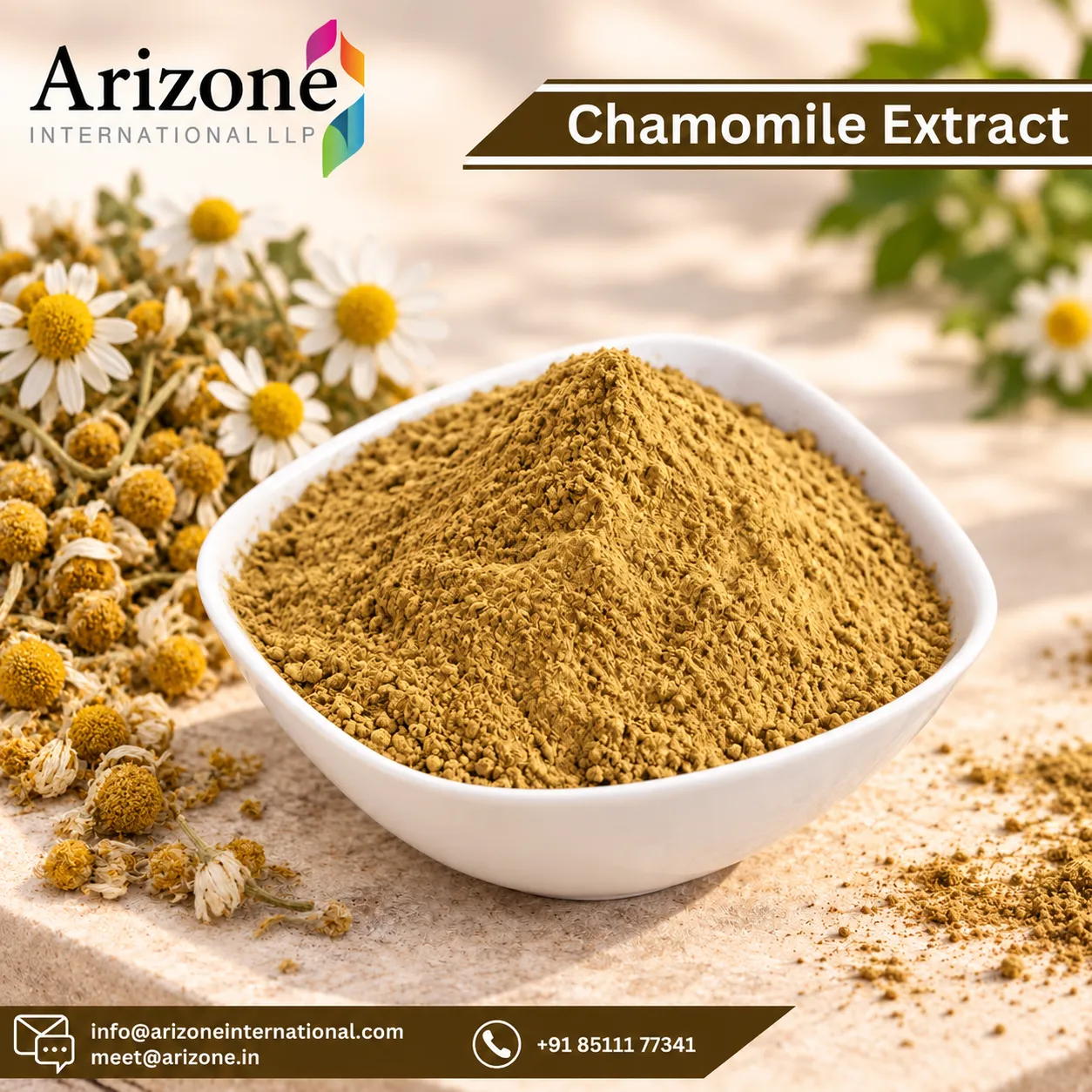
Chamomile Extract
View Product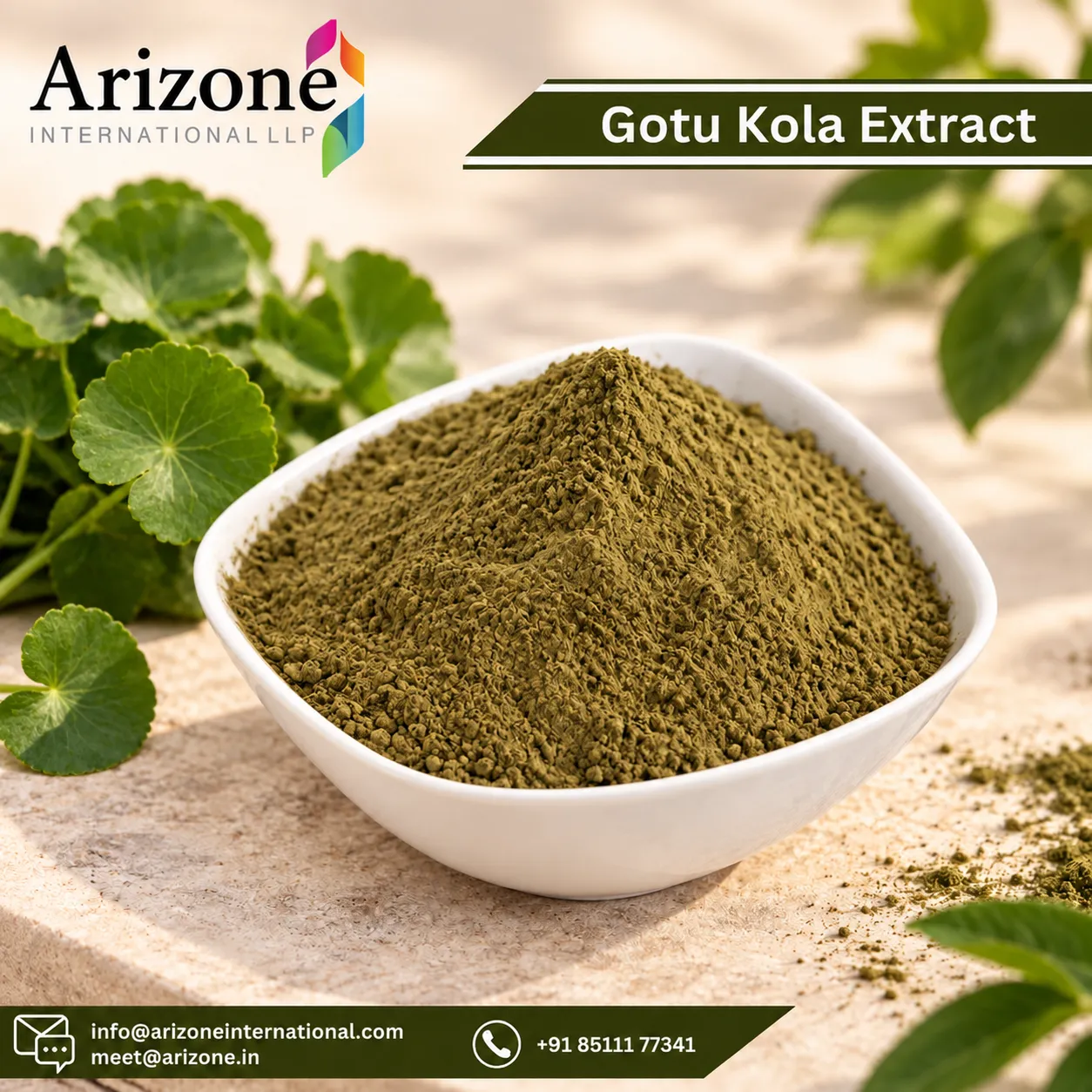
Gotu Kola Extract
View Product
Ginkgo Biloba Extract
View ProductSourcing direct from Arizone
Arizone International LLP is a manufacturer and exporter in India, not a European distributor. We supply herbal extracts, herb powders and oils to brands and importers across the EU. Our facility holds ISO 22000:2018, GMP, HACCP and halal certification (see our certificates), and every batch ships with a certificate of analysis. Tell us your EU specification and we'll confirm which tests and limits we can document before you order.
Sources: Regulation (EU) 2023/915 on contaminants; Implementing Regulation (EU) 2026/194; NutraIngredients: FSE pyrrolizidine alkaloid advice.
European Sourcing Questions
No. Some extract in their own EU plants, but many are distributors stocking extracts made in India, China and elsewhere. Ask who made the batch and request their data.
Regulation (EU) 2023/915 sets 400 µg/kg for food supplements containing herbal ingredients, including extracts. Some herbal teas and other foods have their own limits.
No. Ethylene oxide isn't approved in the EU, and residues found from 2020 onwards caused large recalls. Ask suppliers for residue test results and their sterilisation method.
Yes. Many do for high-volume extracts. You'll need an EU importer of record, the right documents and usually your own arrival testing.