
Image: Freepik
Milk thistle is one of the most dependable sellers in the supplement aisle. It sits in the top five at the UK's largest health retailer, is a staple of US liver-support ranges, and is well known in Europe and Brazil, where it is sold as cardo mariano. Most products say "silymarin 80%". Fewer brands know what that number actually measures, and why two 80% extracts can perform very differently in the lab.
Key takeaways
- Silymarin is a group of flavonolignans from milk thistle seeds: silybin A and B, isosilybin, silychristin and silydianin.
- "80% by UV" counts everything that absorbs at the test wavelength; HPLC measures the individual flavonolignans and usually gives a lower figure.
- Agree the test method in the specification before comparing prices.
- Health claims for milk thistle are not authorised in the EU; keep labels within each market's rules.
What silymarin is
Milk thistle (Silybum marianum) is a spiky, purple-flowered plant native to the Mediterranean. Its seeds contain silymarin, a mix of related compounds called flavonolignans. Extracts are made from defatted seeds, extracted with a solvent, concentrated and dried to a yellow-brown powder.
UV vs HPLC: why 80% is not always 80%
| Method | What it measures | Typical result |
|---|---|---|
| UV (spectrophotometry) | All compounds absorbing at the test wavelength, expressed as silybin | Higher; the common "80%" grade |
| HPLC | Each flavonolignan separately, then summed | Lower for the same material, and more informative |
Neither method is wrong, but they are not comparable. A cheap "silymarin 80%" may look identical to a premium one on a UV-only COA. Ask for HPLC data, or at least for silybin by HPLC alongside the UV figure, and agree in writing which method defines the specification.
Comparing silymarin extracts? Ask for our specification with test methods.
Request SpecsSolvents, solubility and formats
- Residual solvents: extraction may use ethanol, acetone or ethyl acetate, so ask for residual solvent results.
- Solubility: silymarin dissolves poorly in water. Some brands use complexed or "phytosome" forms; these are different ingredients with their own specifications.
- Formats: extract powder for capsules, or ground seed for teas and whole-herb products.
- Pairings: artichoke, dandelion root and turmeric are common partners in liver-wellness formulas.
Labels and claims by market
- USA: structure and function wording only, with the FDA disclaimer; no disease claims.
- EU and UK: health claims for botanicals are still on hold, so liver claims are not authorised; see our EU health claims guide.
- Brazil: check that the ingredient and dose are on ANVISA's lists, and that claims follow IN 28/2018.
Buyer checklist
- Silymarin by UV and flavonolignans or silybin by HPLC
- Test method agreed in the specification
- Residual solvents, heavy metals, aflatoxins and microbiology
- Form: standard extract or complexed ingredient
- Label wording checked for each market
Two milk thistle extracts can both say 80%. Ask which method made that number before you compare the price.
Milk Thistle and Liver-Wellness Botanicals
Silymarin extract, milk thistle capsules and common formula partners, with a certificate of analysis for every batch.
Silymarin Extract Powder
View Product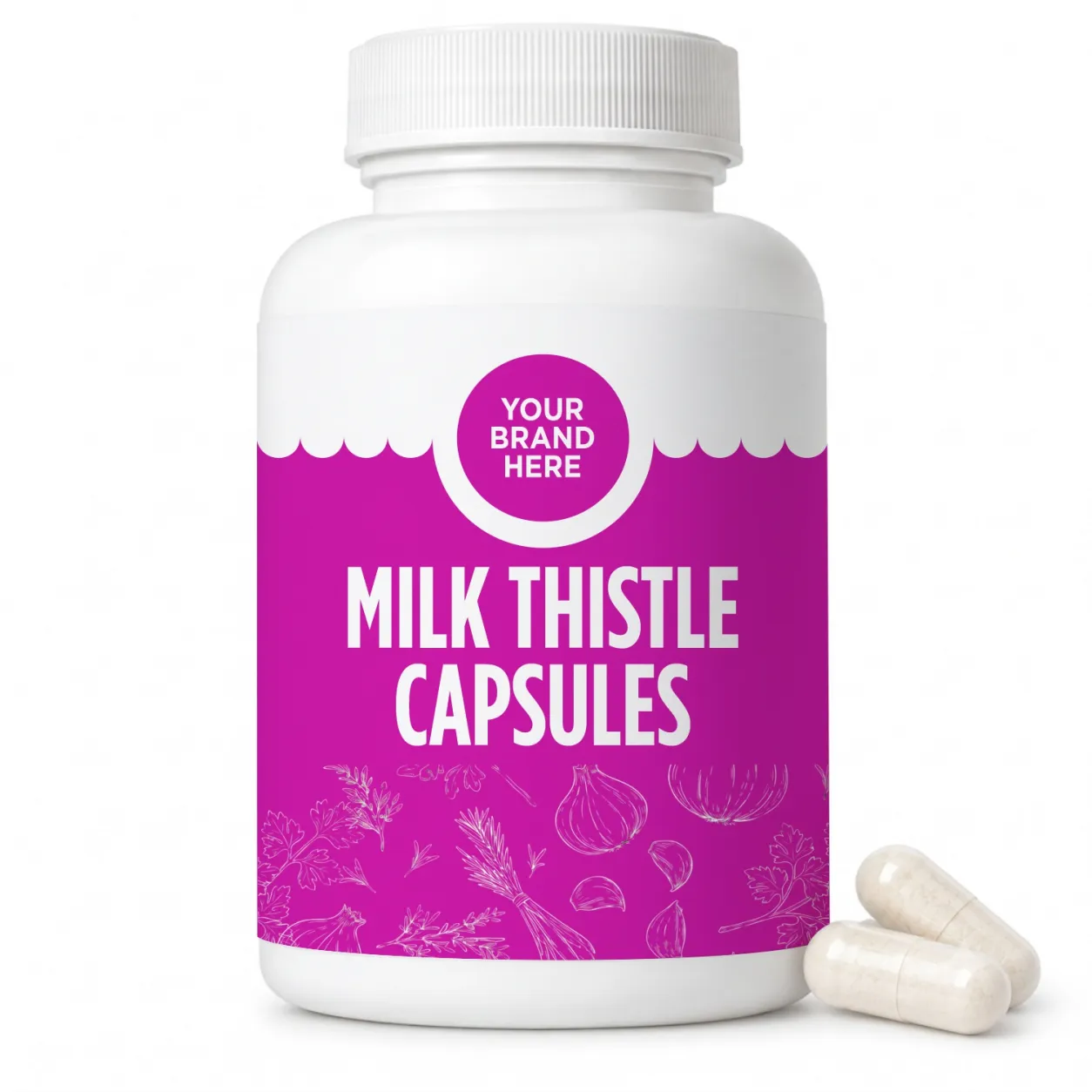
Milk Thistle Capsules
View Product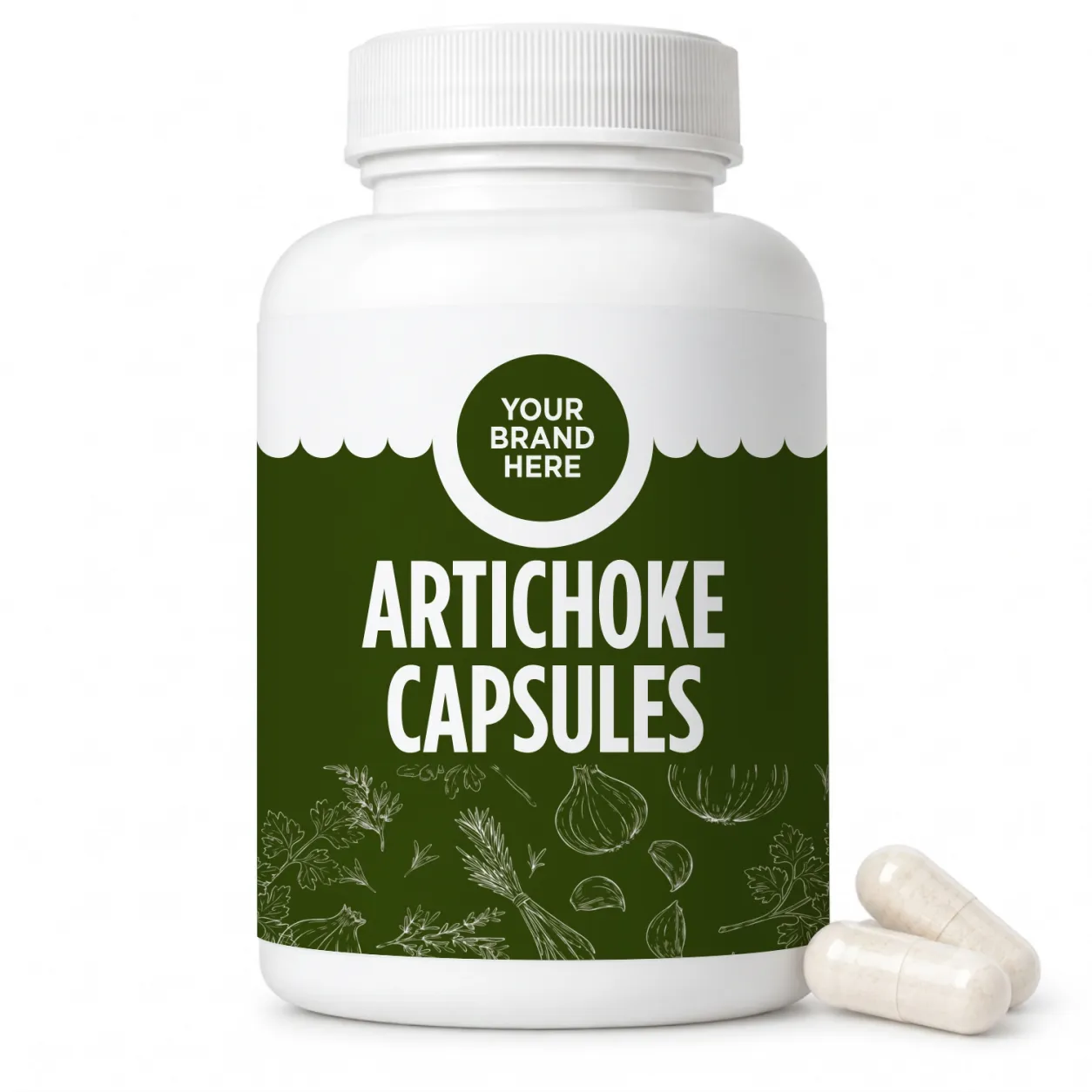
Artichoke Capsules
View ProductArtichoke Powder
View Product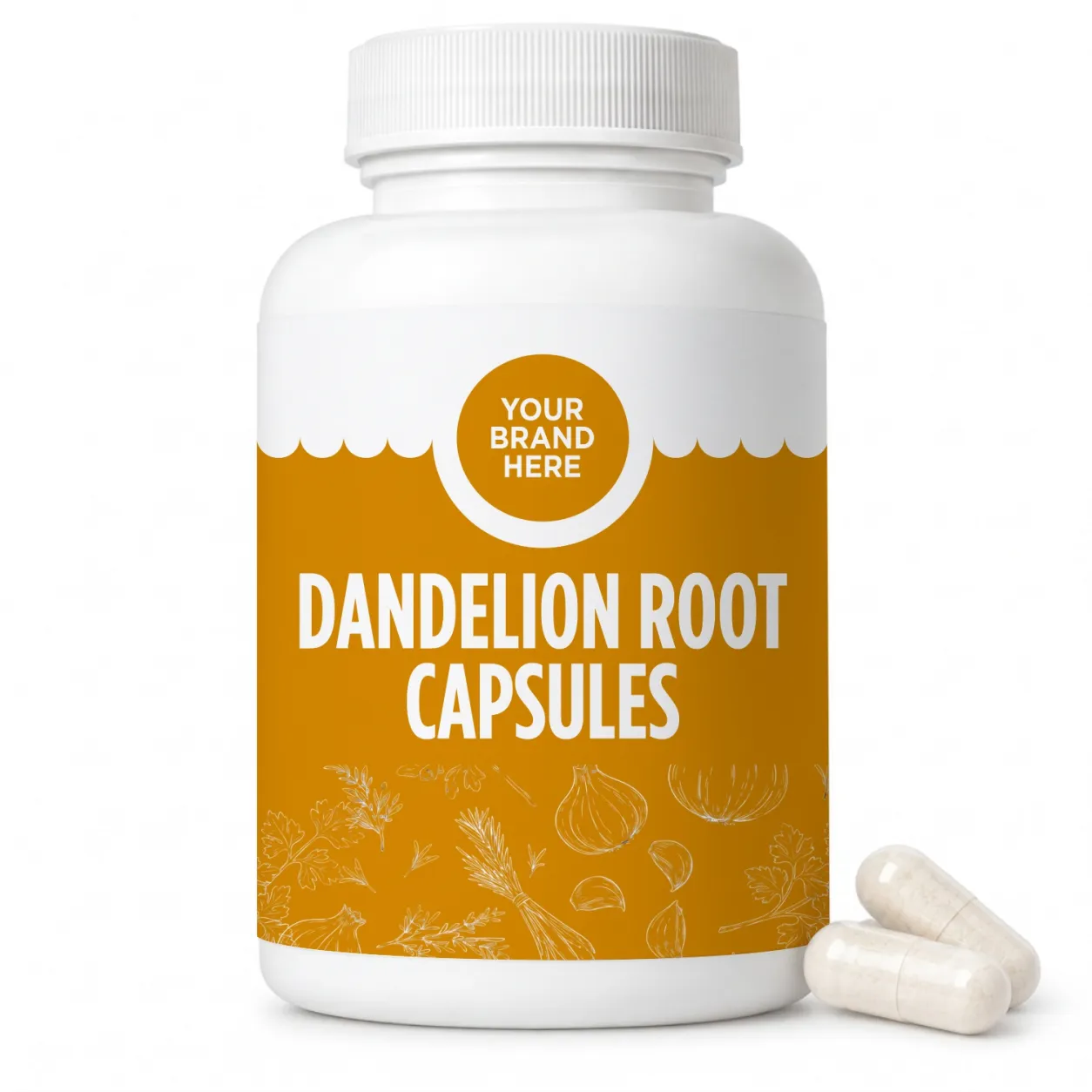
Dandelion Root Capsules
View ProductDandelion Root Extract
View ProductMilk thistle from Arizone
Arizone International LLP supplies silymarin extract and milk thistle capsules to supplement brands outside India. We state the test method on every specification and certificate of analysis, so you can compare like with like.
Sources: NCCIH: milk thistle; NutraIngredients: Holland & Barrett 2026 trends.
Milk Thistle Questions
That the extract contains 80% silymarin, usually measured by UV. The same material normally shows a lower figure by HPLC.
UV counts everything absorbing at the test wavelength; HPLC measures each flavonolignan separately.
The seeds, which are defatted and extracted to make the powder.
No. Botanical health claims are on hold in the EU, so liver claims are not authorised.
Silymarin with the method, residual solvents, heavy metals, aflatoxins and microbiology.