
Demand for herbal supplements, functional foods and natural personal care keeps growing across Saudi Arabia, the UAE and the wider Gulf. Black seed, moringa, turmeric, frankincense and senna have long traditions in the region, and newer botanicals such as ashwagandha are catching up. For importers and brands, choosing a supplier means more than price: halal status, registration paperwork, Arabic labelling and the realities of shipping into a hot climate all matter.
Key takeaways
- In Saudi Arabia, the importer registers products with the SFDA before import; other GCC countries have their own registration systems.
- Mandatory halal certification currently centres on meat products, but most buyers ask for halal certificates on supplements and extracts anyway.
- Check that the supplier's halal certifier is recognised in your target country, and ask about capsule shells and processing aids.
- Plan for heat: packaging, storage and shelf-life data matter more than in cooler markets.
Registration comes first
In Saudi Arabia, food products must be registered with the Saudi Food and Drug Authority (SFDA) before import, and registration is the importer's responsibility. Documents usually include the ingredient list, country of origin, shelf life, label, test reports and, where relevant, a halal certificate. Products positioned as health or herbal products may follow a different SFDA pathway from ordinary foods, so decide early how your product is classified.
The UAE, Kuwait, Qatar, Oman and Bahrain each have their own authorities and systems, though many requirements are aligned through GCC standards. For bulk ingredients sold to a local manufacturer, the burden is lighter than for finished retail products, but the manufacturer will still need full supplier documents.
Halal: what buyers actually check
Across the GCC, mandatory halal certification has mainly applied to meat and meat-based products. Even so, most importers and retailers expect halal certificates for supplements, extracts and capsules, because consumers do. When you review a supplier's halal status, look at:
- The certifier: Saudi Arabia requires halal certification bodies to be accredited by an SFDA-recognised body, and the UAE runs its own recognition system. A certificate from an unrecognised body may not be accepted.
- Scope: the certificate should cover the specific products or product group, and the manufacturing site, not just the company name.
- Capsule shells: gelatin must come from a halal source; HPMC (plant-based) capsules avoid the question. See HPMC vs gelatin capsules.
- Processing aids and carriers: ask how ethanol is used in extraction and removed, and what carriers and flow agents are used. Halal schemes treat these in their own ways.
Our guide to halal and kosher certification for herbal ingredients covers the details.
Need halal documents for a registration file? Ask us for certificates, specs and a sample COA.
Request DocumentsLabels, documents and climate
- Arabic labelling: GCC labelling standards require Arabic on retail packs, usually alongside English. Bulk ingredient drums need clear product, batch and date information.
- Documents: commercial invoice, packing list, certificate of origin, COA, halal certificate and health or free-sale certificates where requested. Some countries ask for documents to be attested.
- Heat: containers can sit in high temperatures in port and in storage. Ask for sealed, lined drums, desiccants where useful, and shelf-life data. Oils and some extracts benefit from cool storage once landed; see shelf life and storage.
| Product | Typical buyer | What to ask for |
|---|---|---|
| Black seed oil | Supplement and food brands | Cold-pressed vs refined, thymoquinone result, peroxide value |
| Herbal extracts | Supplement manufacturers | Marker compound by HPLC, heavy metals, halal scope |
| Herb powders | Tea, food and traditional remedies | Microbiology, sterilisation method, mesh size |
| Capsules | Private label brands | Shell type and halal source, Arabic label support |
| Essential oils | Personal care and fragrance | GC-MS report, SDS, IFRA data |
Supplier checklist for the GCC
- Halal certificate from a body recognised in your target country, covering the product and site
- Specification and batch COA with heavy metals, microbiology and pesticide results
- Capsule shell, carrier and processing-aid details
- Shelf life with storage conditions, and packaging suited to heat
- Certificate of origin and any attestation your importer needs
- Support with label information for registration
Halal on the certificate is the start. Halal through the capsule shell, carrier and process is what buyers in the Gulf actually check.
Popular Products for the Middle East
Extracts, oils and capsules GCC importers often ask for, made at our halal-certified facility in India with a certificate of analysis for every batch.
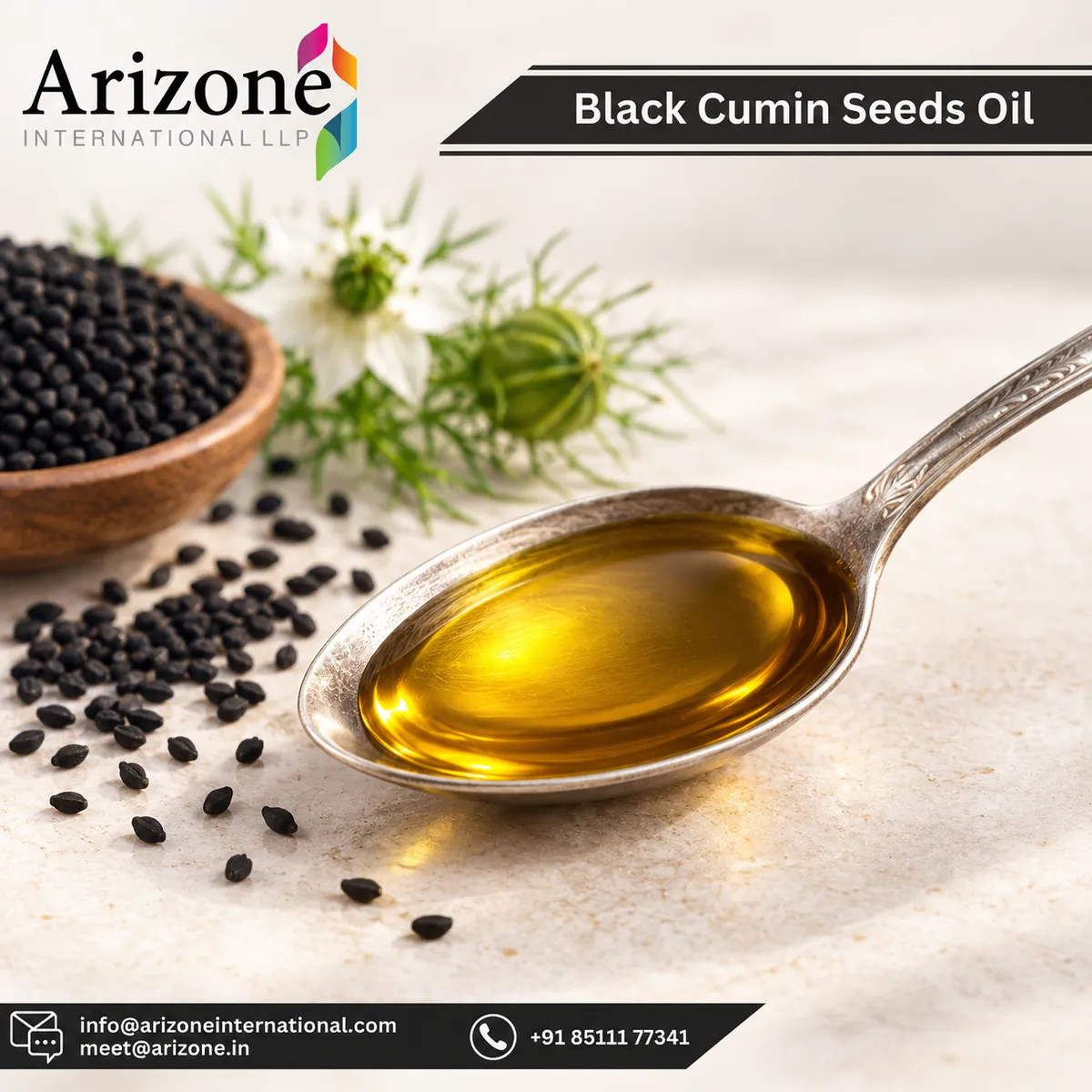
Black Seed Oil
View Product
Black Seed Powder
View Product
Moringa Leaf Extract
View Product
Turmeric Extract
View Product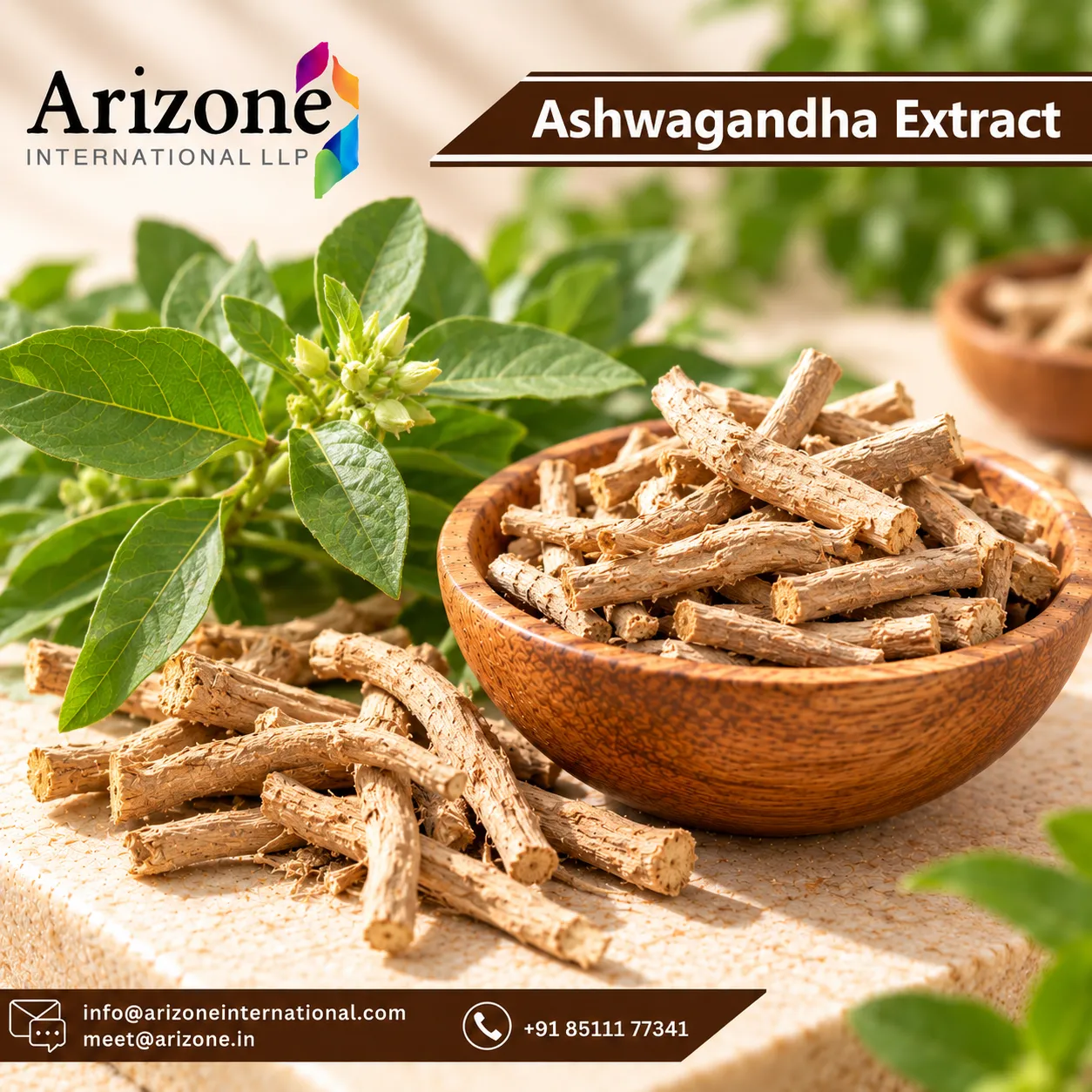
Ashwagandha Extract
View Product
Senna Leaf Extract
View Product
Frankincense Oil
View Product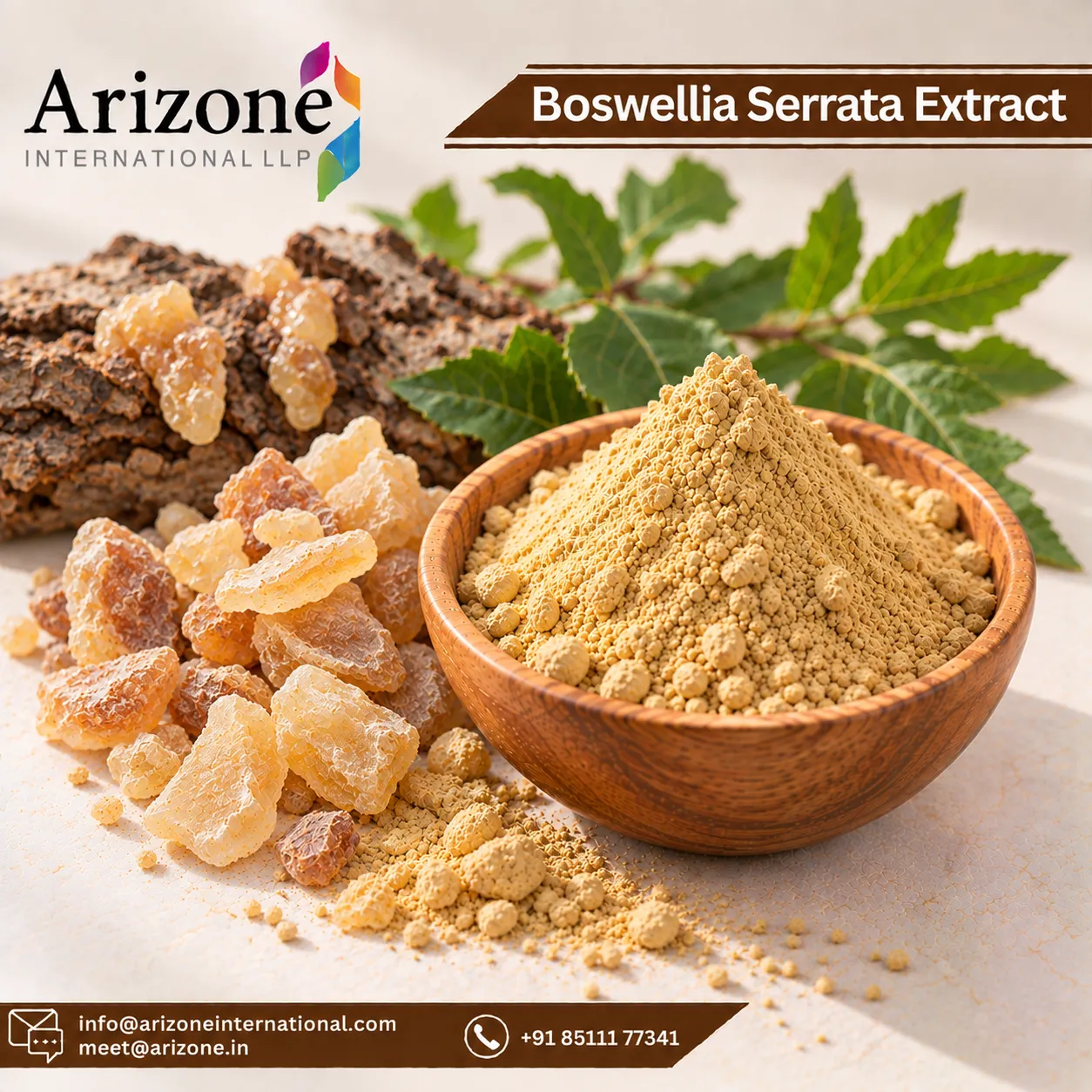
Boswellia Serrata Extract
View ProductSourcing direct from Arizone
Arizone International LLP manufactures and exports herbal extracts, oils, herb powders and capsules from India. Our facility is halal certified, alongside ISO 22000:2018, GMP and HACCP (see our certificates). We ship with a certificate of analysis for every batch and can support your importer with the documents needed for registration. Product registration itself is handled by your importer in each country.
Sources: SFDA: halal certification requirements; Halal Focus: halal requirements for Saudi Arabia.
Middle East Sourcing Questions
Mandatory halal certification has mainly covered meat products, but most buyers require halal certificates for supplements and extracts. Check current SFDA rules for your product.
The importer. Food products must be registered before import, with documents such as ingredients, label, shelf life, test reports and halal certificate.
Only if the gelatin comes from a halal source with certification. Plant-based HPMC capsules are a simple alternative for Muslim and vegetarian consumers.
Yes, retail labels in GCC countries need Arabic, usually alongside English. Bulk drums need clear product, batch and date details.