
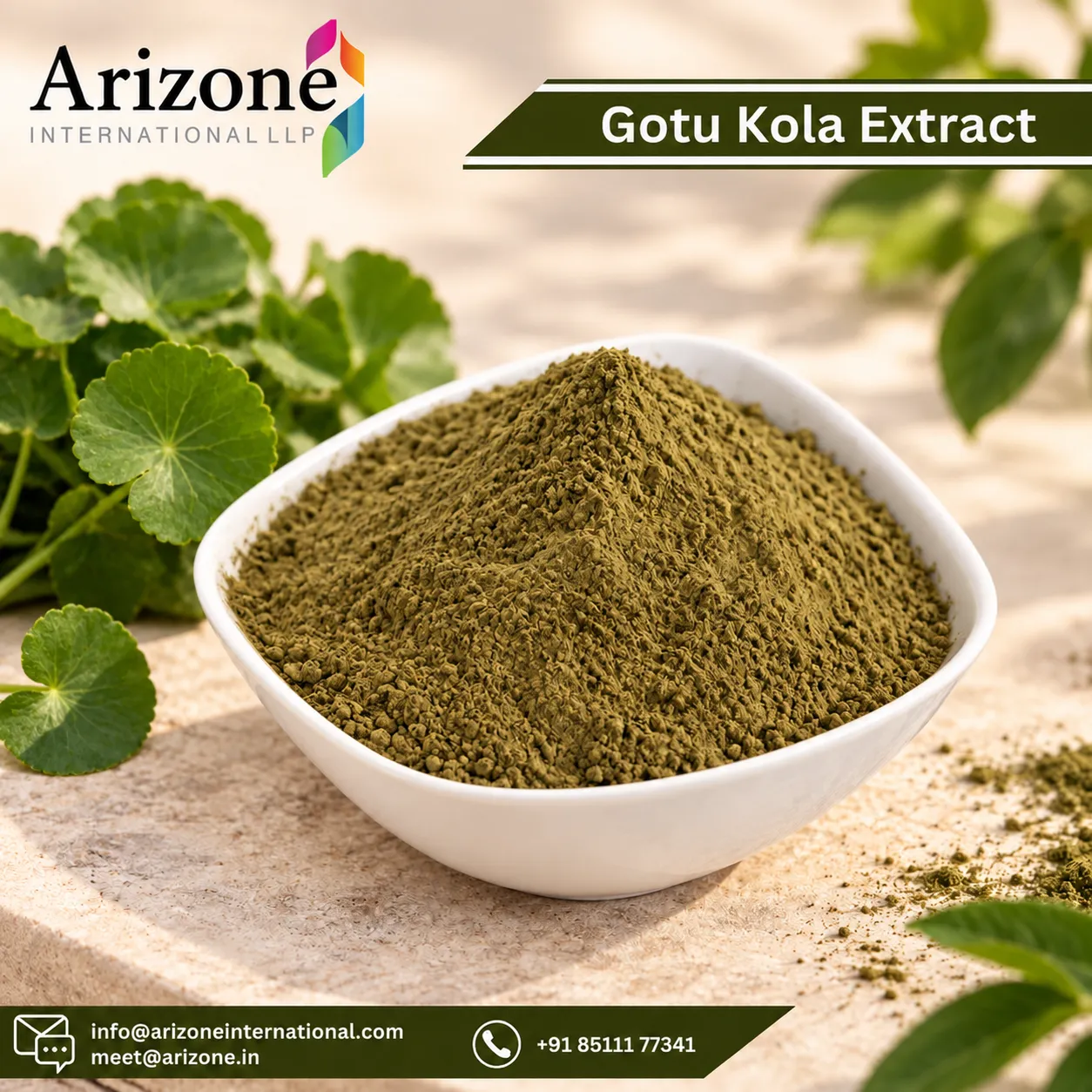
Centella, aloe, licorice, calendula, neem, argan: botanical ingredients are everywhere in modern skincare and haircare. Sourcing them for cosmetics isn't the same as sourcing for supplements, though. A cosmetic chemist cares about solubility, colour, odour and preservative compatibility. A safety assessor needs composition and impurity data. The label needs the right INCI name. Here's how cosmetic brands and formulators pick a botanical extract supplier that can cover all three.
Key takeaways
- Pick the format first (dry extract, glycerin or water-based liquid, oil-soluble extract or oil), because it decides solubility, preservation and labelling.
- Every component of a botanical ingredient, including its carrier, needs to appear correctly in your INCI list.
- The EU requires a safety assessment for every cosmetic; the US now requires facility registration, product listing and safety substantiation under MoCRA.
- Ask for allergen, heavy metal and microbial data, not just a COA.
Choose the right format
| Format | Works well in | Watch out for |
|---|---|---|
| Dry (powder) extract | Powders, masks, emulsions after dispersion | Solubility, colour, carrier such as maltodextrin |
| Glycerin or water-based liquid | Toners, serums, gels | Preservative system, microbial stability |
| Oil-soluble extract | Balms, oils, emulsions | Oxidation, base oil declared in INCI |
| Carrier oil | Hair oils, body oils, emulsions | Cold-pressed vs refined, rancidity |
| Essential oil | Fragrance, functional blends | Allergens, IFRA limits, sensitisation |
Dry extracts travel and store well and give you flexibility to choose your own solvent and preservative system. Ready-made liquid extracts save formulation time but bring their own preservatives and carriers, which must suit your product claims (for example, "preservative-free" or "COSMOS").
INCI names and carriers
Cosmetic labels use INCI names, the international naming system for cosmetic ingredients. Botanicals are named by genus and species, plant part and type of preparation, for example "Centella Asiatica Leaf Extract" or "Aloe Barbadensis Leaf Juice Powder". The carrier counts too: a powdered extract on maltodextrin, or a liquid extract in glycerin and water, adds those to your ingredient list. Check names in the EU's CosIng database, and ask the supplier for a composition statement listing every component with its INCI name and percentage.
Formulating with Indian botanicals? Ask for specs, composition and a sample COA.
Request SpecsEU and US cosmetic rules
- EU: Regulation (EC) 1223/2009 requires a named responsible person, a product information file and a safety assessment for each cosmetic before it goes on the market, plus notification on the CPNP portal. Botanical extracts are assessed like any other ingredient, which is why composition and impurity data matter. Animal testing for cosmetic purposes is banned.
- EU allergens: Regulation (EU) 2023/1545 extends the fragrance allergen labelling list to more than 80 entries, applying to new products from 31 July 2026. Essential oils and some extracts contain these allergens. See essential oil standards for more.
- USA: the Modernization of Cosmetics Regulation Act of 2022 (MoCRA) added facility registration, product listing, adverse event reporting and safety substantiation requirements for cosmetics sold in the US.
- Claims: in both markets, claims that a product treats or prevents disease can turn a cosmetic into a drug or medicine. Keep extract claims cosmetic.
Documents to ask for
- Specification and batch COA, including appearance, solubility and microbiology
- Composition statement with INCI names and percentages, including carriers and preservatives
- Heavy metal and pesticide results
- Allergen declaration, and IFRA certificate for fragrance materials
- Safety data sheet (SDS)
- Statements on animal testing, GMO, and CMR or banned substances
- Natural origin content (ISO 16128) or organic and COSMOS certificates, if you make those claims
For oils, our guides to cold-pressed vs refined carrier oils and reading a GC-MS report help.
For cosmetics, the right extract is the one your chemist can formulate, your assessor can sign off and your label can name correctly.
Botanicals for Skincare and Haircare
Extracts and oils cosmetic brands and formulators often source from us, with a certificate of analysis for every batch and documents on request.

Aloe Vera Extract
View Product Gotu Kola Extract
View Product
Calendula Extract
View Product
Licorice Root Extract
View Product
Arbutin Extract
View Product
Neem Oil
View Product
Argan Oil
View Product
Tea Tree Oil
View ProductCosmetic botanicals from Arizone
Arizone International LLP supplies dry herbal extracts, carrier and essential oils and herb powders to cosmetic manufacturers and brands outside India. Tell us the product type, target market and documents your safety assessor needs, and we'll confirm the grade, specification and paperwork we can provide before you order. Our facility credentials are on our certificates page.
Sources: European Commission: CosIng database; Commission Regulation (EU) 2023/1545; US FDA: MoCRA.
Cosmetic Extract Questions
By INCI name, based on genus, species, plant part and preparation, such as Centella Asiatica Leaf Extract. Carriers like glycerin are listed too.
Dry extracts store well and give formulation freedom; liquid extracts save time but bring their own carriers and preservatives. Choose by product type.
Under MoCRA, cosmetic facilities register with FDA, products are listed, serious adverse events are reported and product safety must be substantiated.
Usually specification, COA, composition with INCI names, heavy metals, microbiology, allergens, SDS and statements on banned substances.