
Elderberry became one of the best-selling herbal supplements in the US during the pandemic years and has stayed a winter staple since. In Europe, where Sambucus nigra grows wild, elderberry syrups and gummies are traditional favourites, and demand is rising in the UK and Latin America. Strong demand and a dark, colourful extract made elderberry an easy target for adulteration.
Key takeaways
- Elderberry products use the fruit of Sambucus nigra (European elder); some use American elder, Sambucus canadensis.
- Anthocyanin content alone cannot prove identity; an HPLC fingerprint of elderberry's specific anthocyanins can.
- Adulteration with cheaper anthocyanin sources and dyes has been documented.
- Raw berries, leaves and stems contain compounds that must be reduced by proper processing.
Forms and grades
| Form | Typical specification | Used in |
|---|---|---|
| Berry powder | Dried, milled fruit | Capsules, teas, blends |
| Ratio extract | For example 4:1 or 10:1 | Capsules, gummies |
| Standardised extract | Anthocyanin content by HPLC or UV | Premium capsules and syrups |
| Juice concentrate | Brix and anthocyanins | Syrups and drinks |
Anthocyanins and identity
Anthocyanins give elderberry its deep purple colour, mainly cyanidin-3-sambubioside and cyanidin-3-glucoside. A simple UV test measures total anthocyanins but cannot tell where they came from. An HPLC profile shows the specific pattern of elderberry anthocyanins, which is how labs spot extracts topped up with other sources.
Adulteration
The ABC-AHP-NCNPR Botanical Adulterants Prevention Program has reported elderberry extracts adulterated with other anthocyanin-rich materials, such as black rice and other berries, and with dyes. Ask for an HPLC fingerprint, not just a total anthocyanin number, and be wary of prices far below other quotes. Our adulteration guide explains the tests.
Planning a winter wellness range? Ask for elderberry specs and a sample COA.
Request SpecsRaw berry safety and processing
Raw elderberries, and especially the leaves, stems and unripe fruit, contain cyanogenic glycosides that can make people ill. Cooking and proper processing reduce them, which is why supplements use processed fruit extracts. Ask suppliers how the material is processed and whether stems are removed.
Claims by market
- USA: structure and function wording only; claims about treating or preventing illness are not allowed.
- EU and UK: botanical health claims are on hold, so immune claims for elderberry are not authorised; vitamin C or zinc in the same formula may carry authorised claims.
- Brazil: check ANVISA's positive lists and claim rules under IN 28/2018.
Buyer checklist
- Species (Sambucus nigra or canadensis) and plant part (fruit)
- Anthocyanins with method, plus an HPLC fingerprint
- Processing description and stem removal
- Heavy metals, pesticides and microbiology per batch
- Claims checked for each market
A dark purple powder is not proof of elderberry. The anthocyanin fingerprint is.
Elderberry and Seasonal Wellness Products
Elderberry and popular partners for seasonal wellness ranges, with a certificate of analysis for every batch.
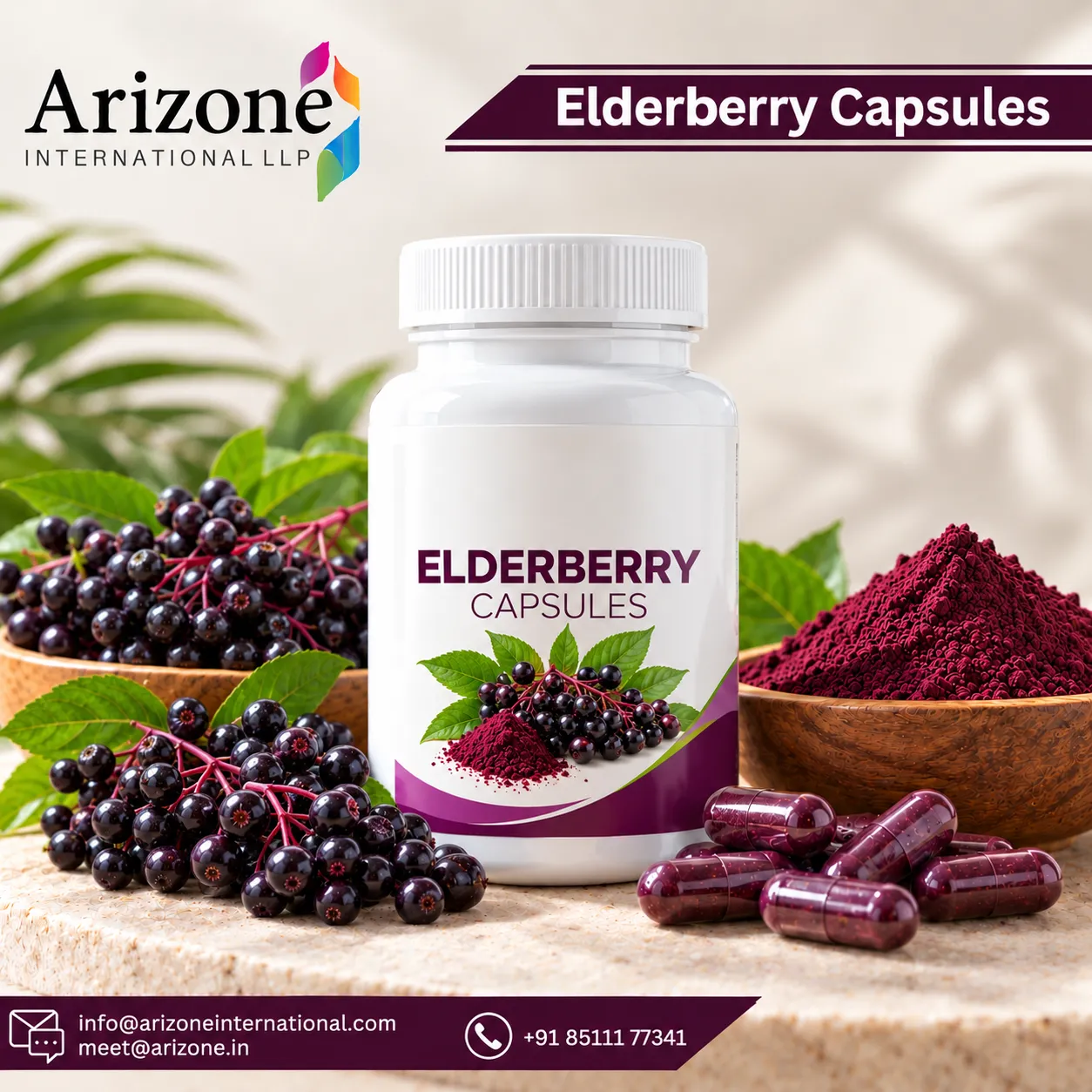
Elderberry Capsules
View Product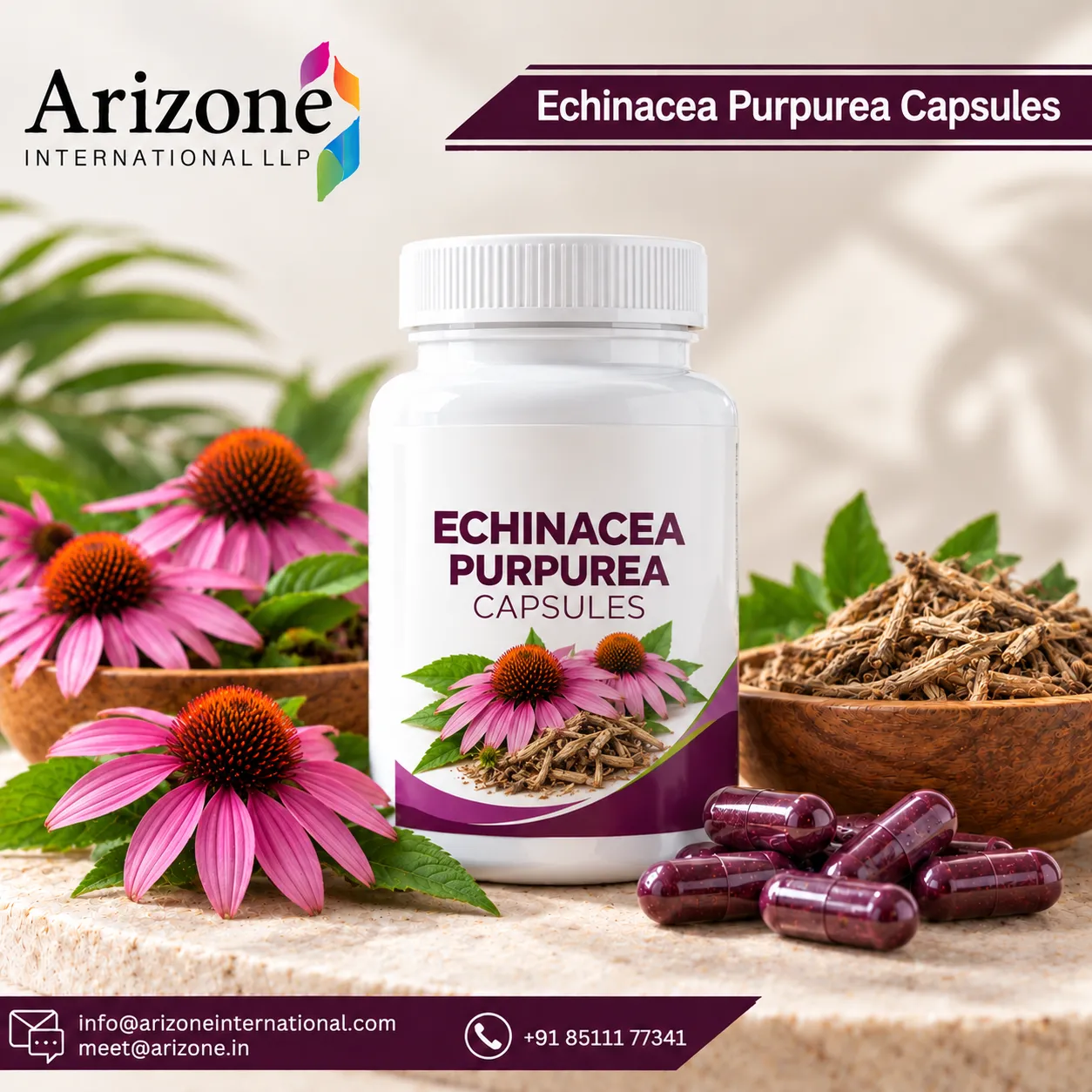
Echinacea Capsules
View Product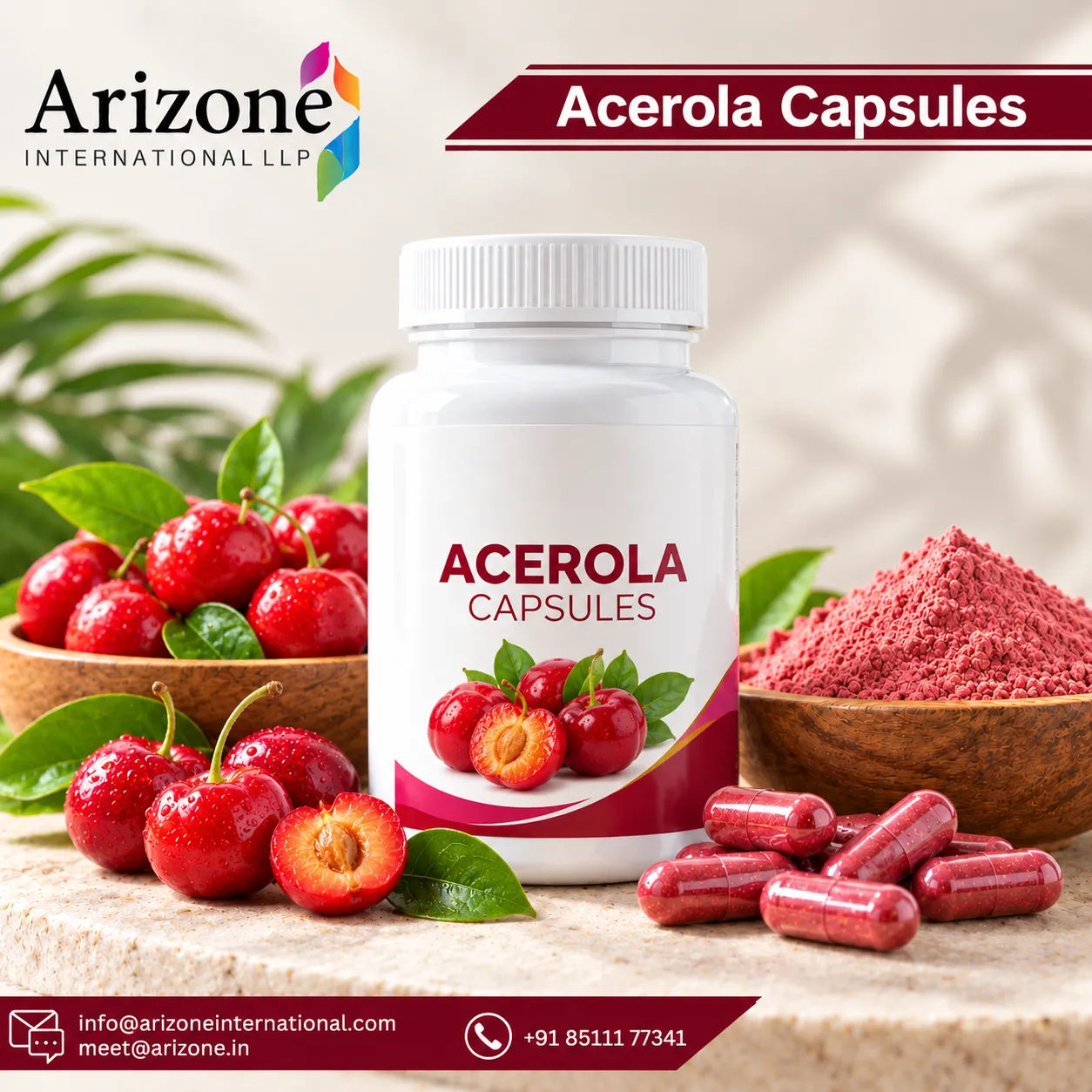
Acerola Capsules
View Product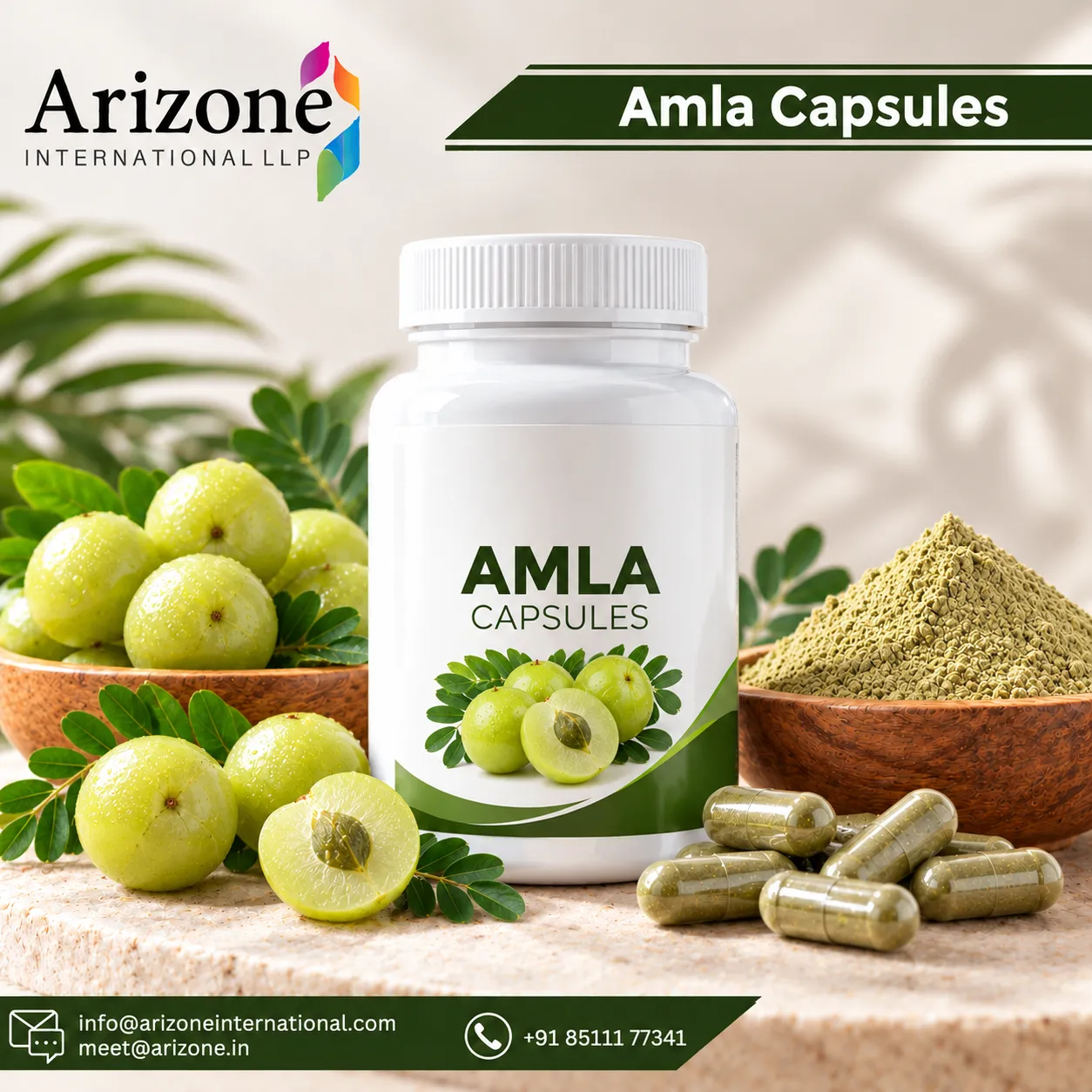
Amla Capsules
View Product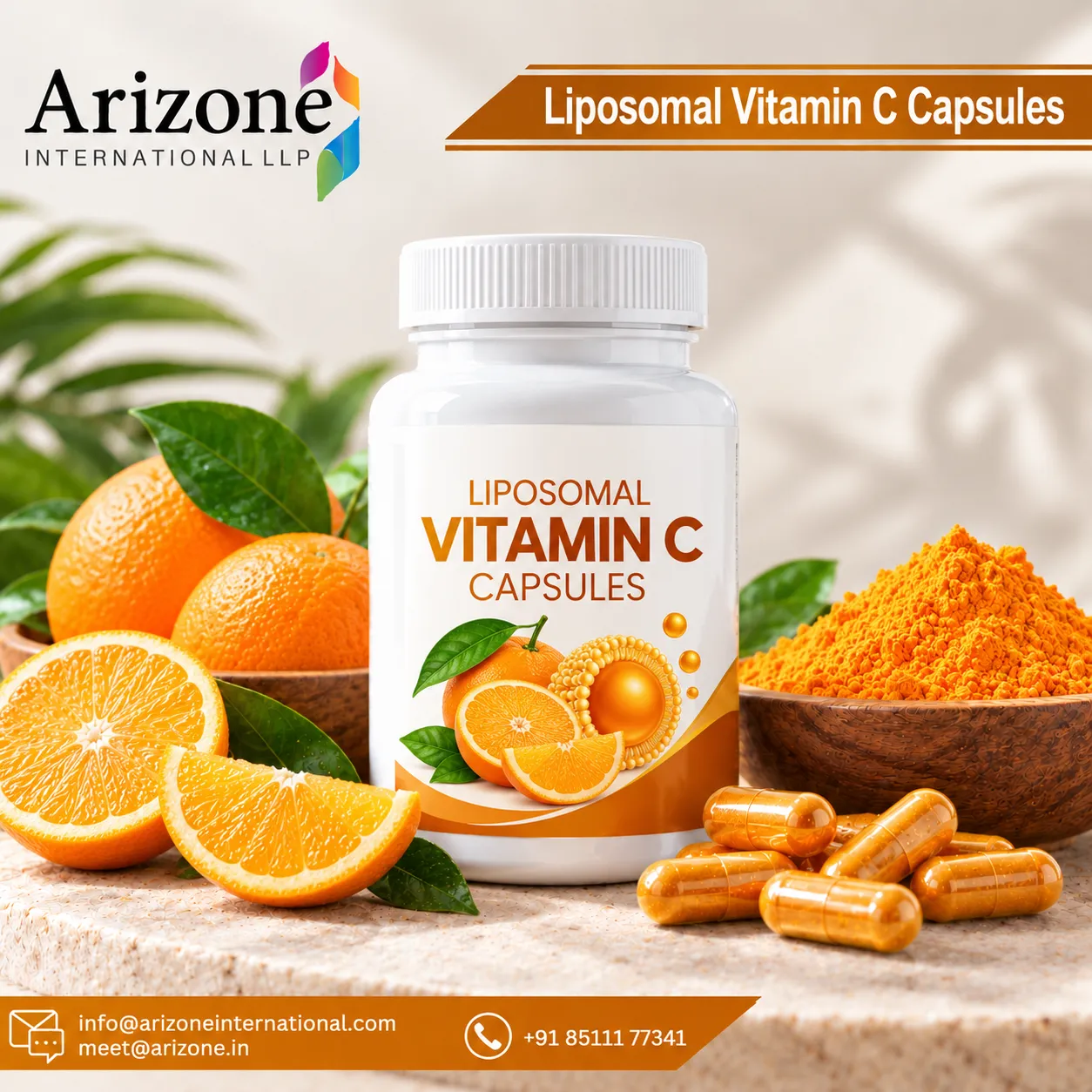
Liposomal Vitamin C Capsules
View Product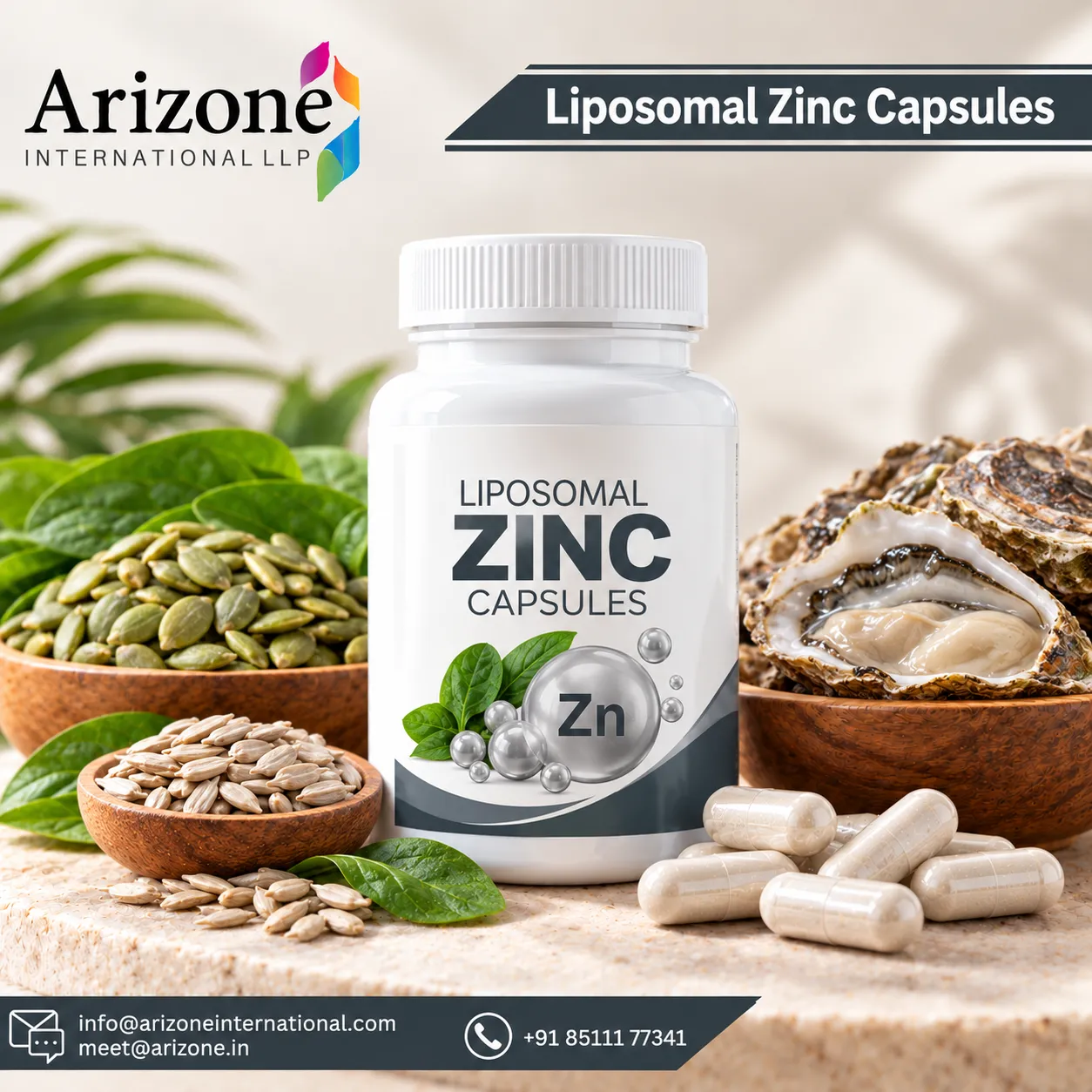
Liposomal Zinc Capsules
View ProductZinc Tablets
View Product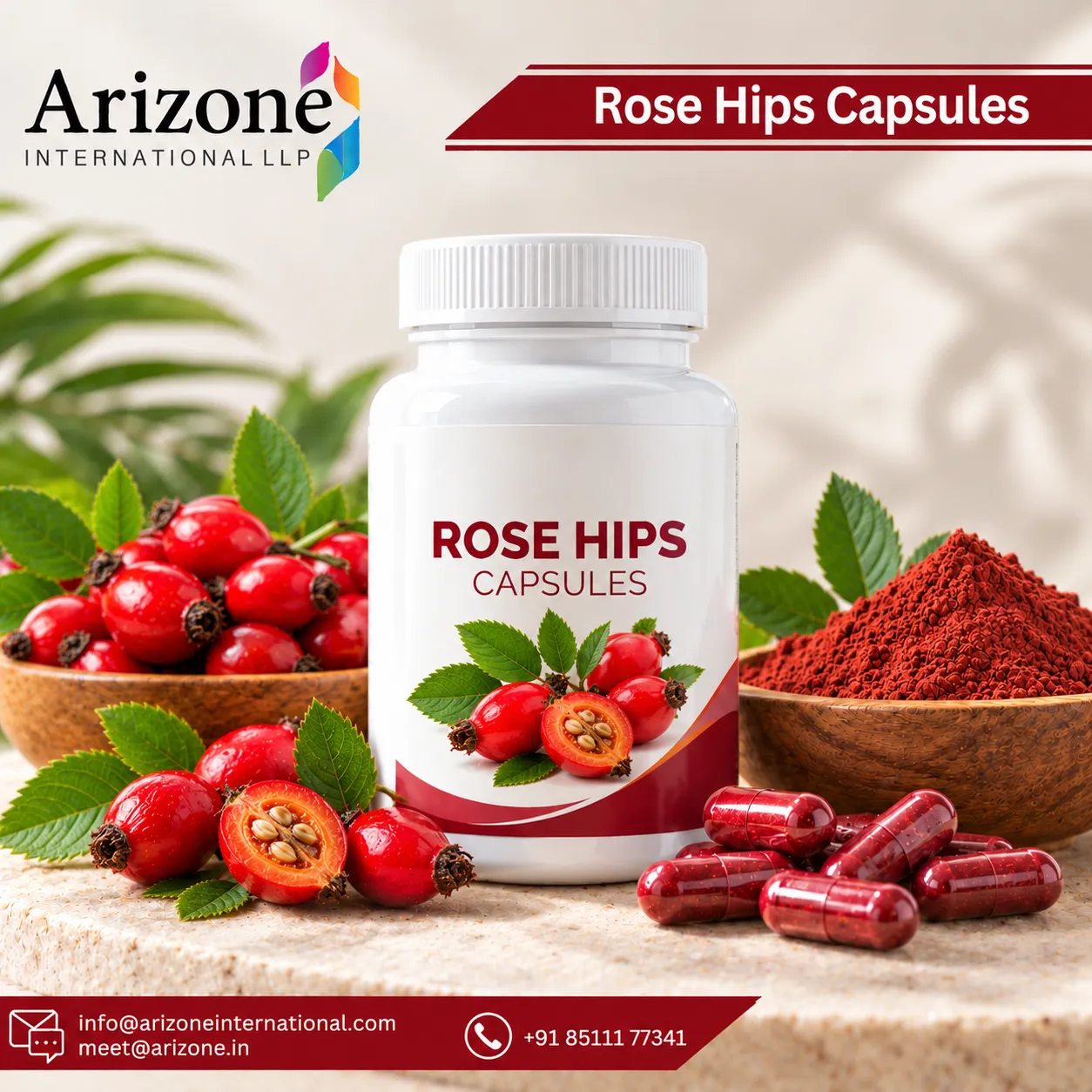
Rose Hips Capsules
View ProductElderberry from Arizone
Arizone International LLP supplies elderberry capsules and seasonal wellness formulas for private label brands outside India. Tell us the grade and market, and we'll confirm testing and documents before you order. Every batch ships with a certificate of analysis.
Sources: NCCIH: elderberry; ABC-AHP-NCNPR Botanical Adulterants Prevention Program.
Elderberry Questions
Mainly European elder, Sambucus nigra. Some products use American elder, Sambucus canadensis.
With an HPLC fingerprint of elderberry's specific anthocyanins, not only a total anthocyanin figure.
Raw berries, leaves and stems contain cyanogenic glycosides, which proper processing reduces. Supplements use processed fruit.
Not in the EU or UK, where botanical claims are on hold. In the US, only structure and function wording is allowed.
Vitamin C, zinc, echinacea and other fruit extracts such as acerola.