
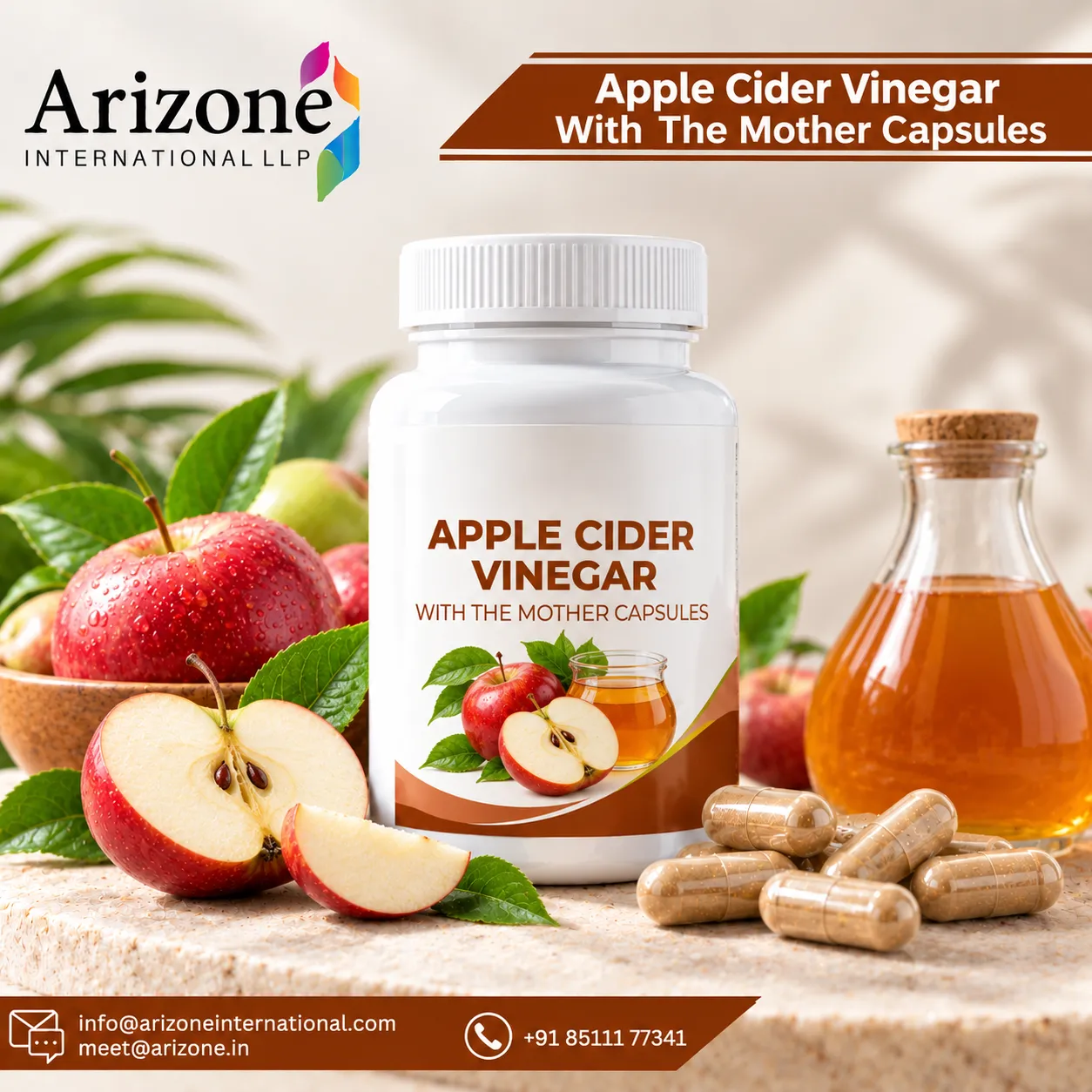
Apple cider vinegar (ACV) became a supplement star in the US and UK, first as liquid, then as gummies and capsules. Capsules avoid the sharp taste and the acid on teeth, which is why they sell so well. But independent tests have shown a big gap between the vinegar people imagine and what many capsules contain.
In short: ACV capsules usually contain dried vinegar powder, and the acetic acid per serving is far lower than in a spoonful of liquid vinegar. Independent testing has found 14–51 mg of acetic acid in some supplements, and one tablet labelled 35% acetic acid contained just 3.2%.
Key takeaways
- ACV capsules contain apple cider vinegar powder, made by drying vinegar onto a carrier.
- Acetic acid per capsule is low compared with liquid vinegar; state it honestly on the label.
- Authenticity testing (HPTLC for identity, HPLC for acids) helps confirm the product is real apple cider vinegar.
- "With the mother" describes the cloudy culture in liquid vinegar; whether it survives drying is not well documented.
What ACV capsules contain
Apple cider vinegar is made by fermenting apple juice into alcohol and then into acetic acid. For capsules, the liquid vinegar is dried, usually by spray drying onto a carrier such as maltodextrin, to make a free-flowing powder. Some products add other ingredients, such as ginger, cayenne or apple pectin.
How much acetic acid?
A tablespoon of liquid ACV contains several hundred milligrams of acetic acid. ConsumerLab's testing found capsule and gummy products containing roughly 14–51 mg per serving. That does not make capsules worthless, but it does mean claims based on liquid-vinegar studies do not transfer automatically to capsules.
| Liquid ACV | ACV capsules | |
|---|---|---|
| Acetic acid per serving | Several hundred mg | Often tens of mg |
| Taste and teeth | Sharp; acidic on enamel | No taste; easy to take |
| Convenience | Needs diluting | Portable |
What "with the mother" means
"The mother" is the cloudy mix of bacteria, yeast and proteins that forms in unfiltered vinegar. It is a selling point for liquid ACV. For capsules, the vinegar is dried, and there is little published testing showing whether the mother survives in a meaningful form. If you use the term, make sure your supplier's raw material is genuinely unfiltered vinegar with the mother, and avoid implying benefits that are not proven.
Developing ACV capsules? Ask for our ACV powder specification and a sample COA.
Request SpecsAuthenticity and quality tests
- Identity by HPTLC to confirm apple cider vinegar rather than plain acetic acid.
- Acetic acid by HPLC, more specific than simple titration, which counts all acids.
- Carrier declaration, since powders are often 90% carrier.
- Microbiology; a published study found yeast or mould problems in some tablets.
- Heavy metals where relevant.
Our adulteration and identity testing guide explains why identity testing matters.
Labels and claims
- USA: structure and function wording only; weight loss or blood sugar disease claims are not allowed.
- EU and UK: no authorised health claims for apple cider vinegar; label acetic acid content honestly.
- Everywhere: state ACV powder and acetic acid per serving, and avoid copying liquid-vinegar claims.
Private label tips
Specify the ACV powder (acetic acid percentage, carrier, mother or not), the dose per capsule and the capsule shell. HPMC shells suit vegan buyers. Vinegar powder is hygroscopic, so use moisture-tight packaging. Many brands combine ACV with ginger, cayenne or apple pectin. See our herbal capsule manufacturers guide for the project steps.
Customers buy apple cider vinegar capsules for convenience. Give them an honest acetic acid number, and they'll trust the rest of the label.
Apple Cider Vinegar and Related Capsules
ACV capsules, powder and common partner ingredients for private label brands, with a certificate of analysis for every batch.
ACV with the Mother Capsules
View ProductApple Cider Vinegar Powder
View Product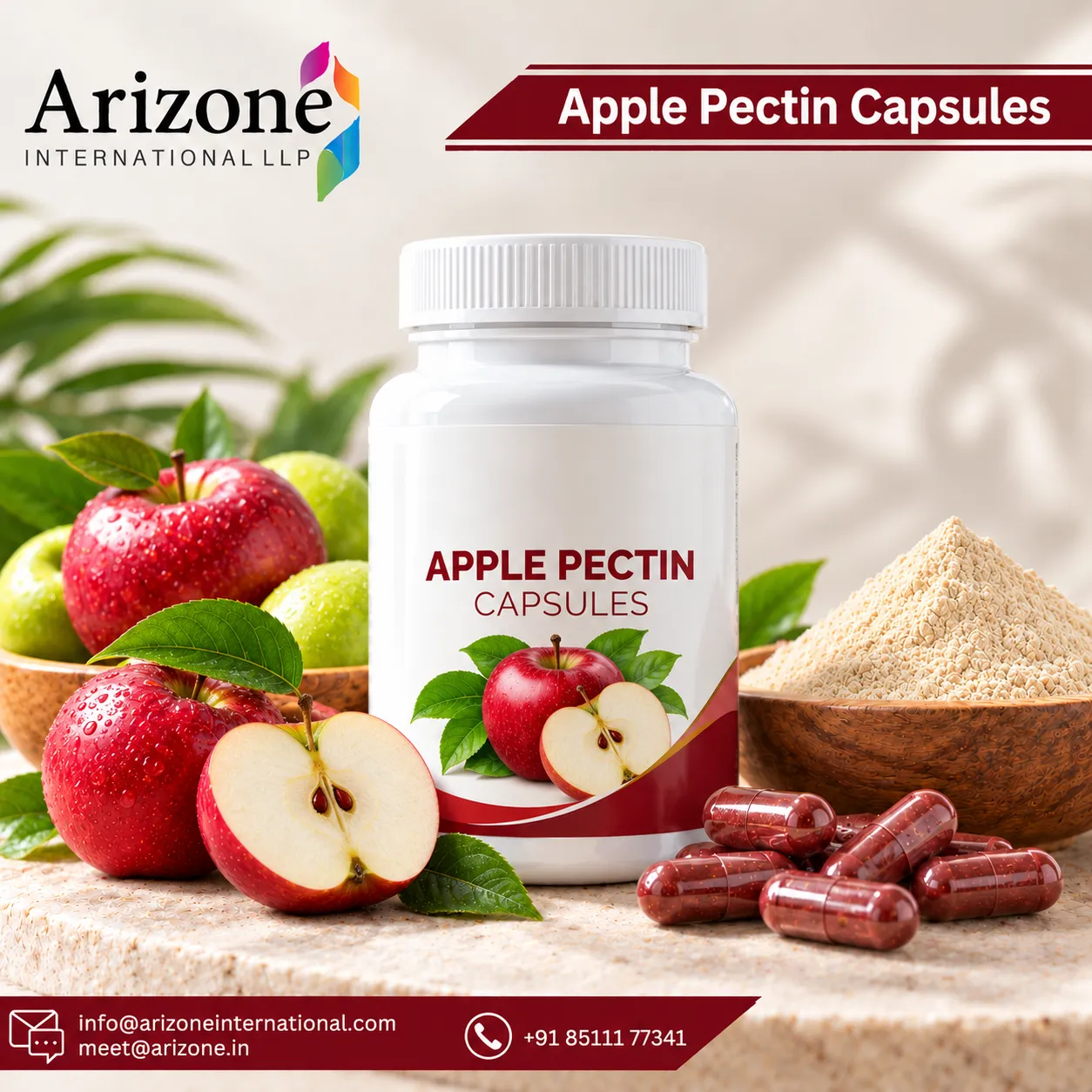
Apple Pectin Capsules
View Product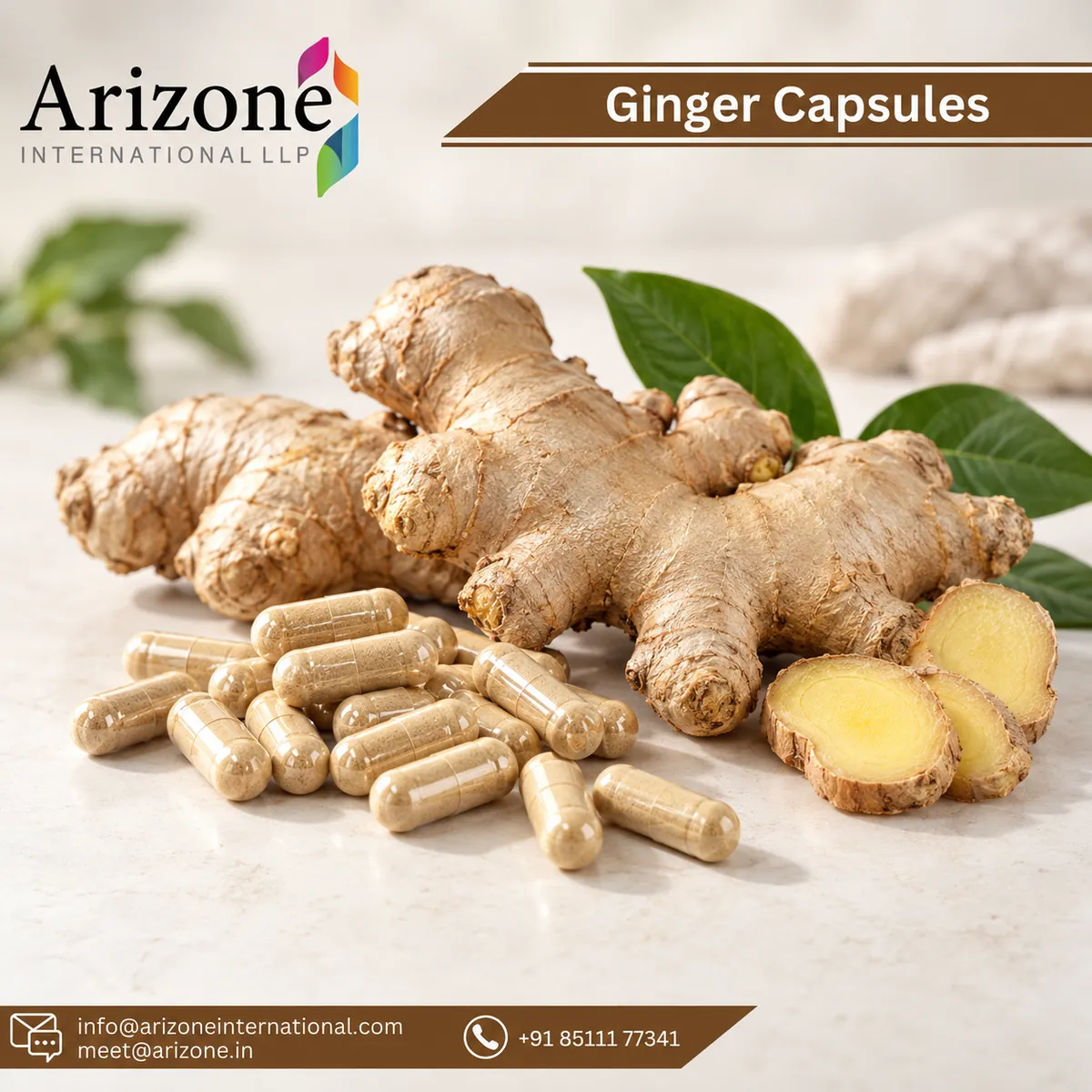
Ginger Capsules
View Product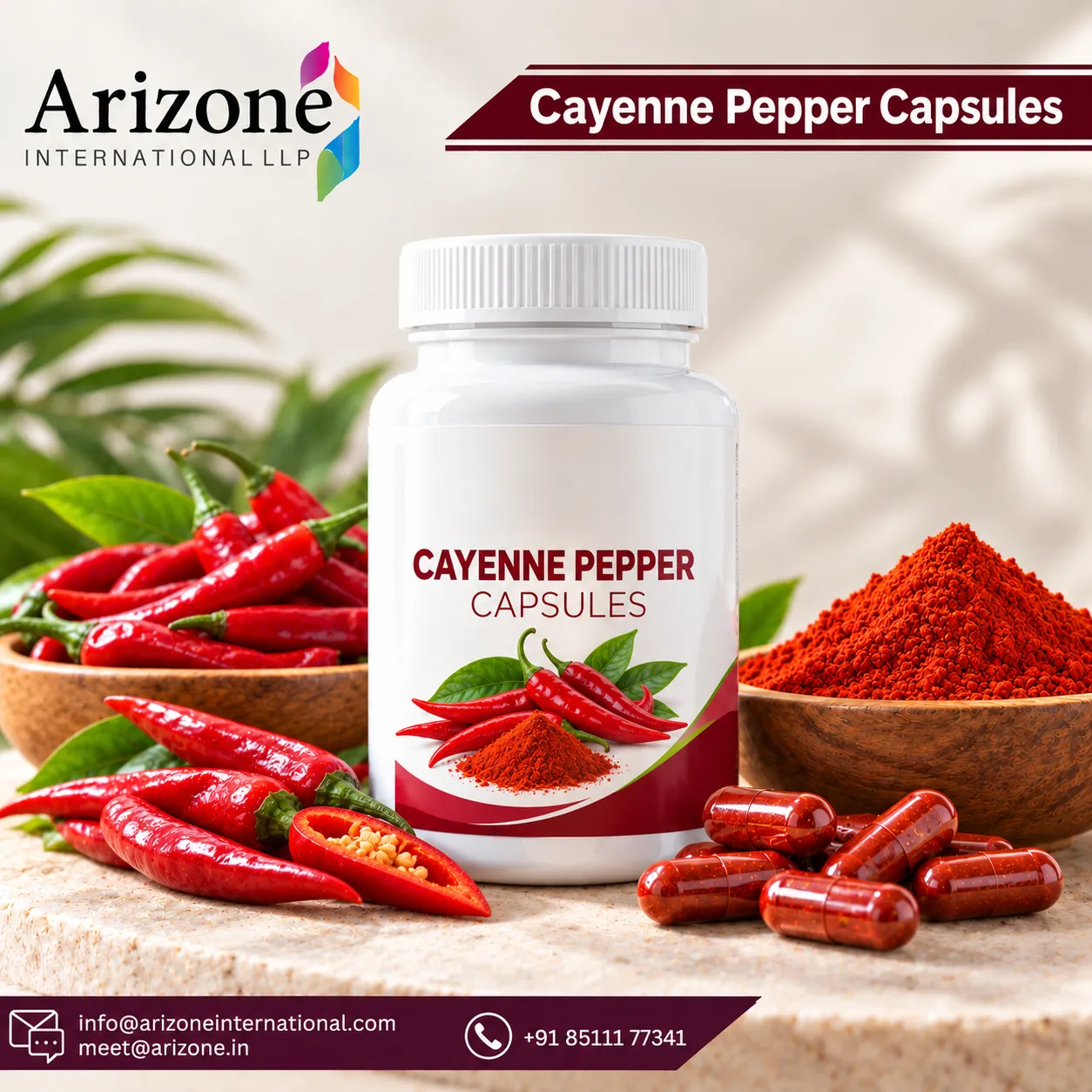
Cayenne Pepper Capsules
View Product
Green Tea Capsules
View ProductACV capsules from Arizone
Arizone International LLP makes apple cider vinegar capsules and supplies ACV powder to private label brands outside India. We state the acetic acid content and carrier on every specification, and every batch ships with a certificate of analysis.
Sources: ConsumerLab: apple cider vinegar review; University of Arkansas: apple cider vinegar or just acid?; Nutrition Insight: validation testing of ACV.
ACV Capsule Questions
Usually much less than liquid vinegar. Independent testing found about 14–51 mg per serving in some capsule and gummy products.
They are more convenient and gentler on teeth, but deliver less acetic acid, so liquid-vinegar studies do not transfer directly.
The cloudy culture of bacteria and yeast in unfiltered vinegar. Its survival in dried capsules is not well documented.
Ask for identity testing by HPTLC and acetic acid by HPLC, rather than simple titration.
Not as disease or weight loss treatment claims. In the EU and UK no ACV health claims are authorised.
Liquid apple cider vinegar dried onto a carrier such as maltodextrin.