
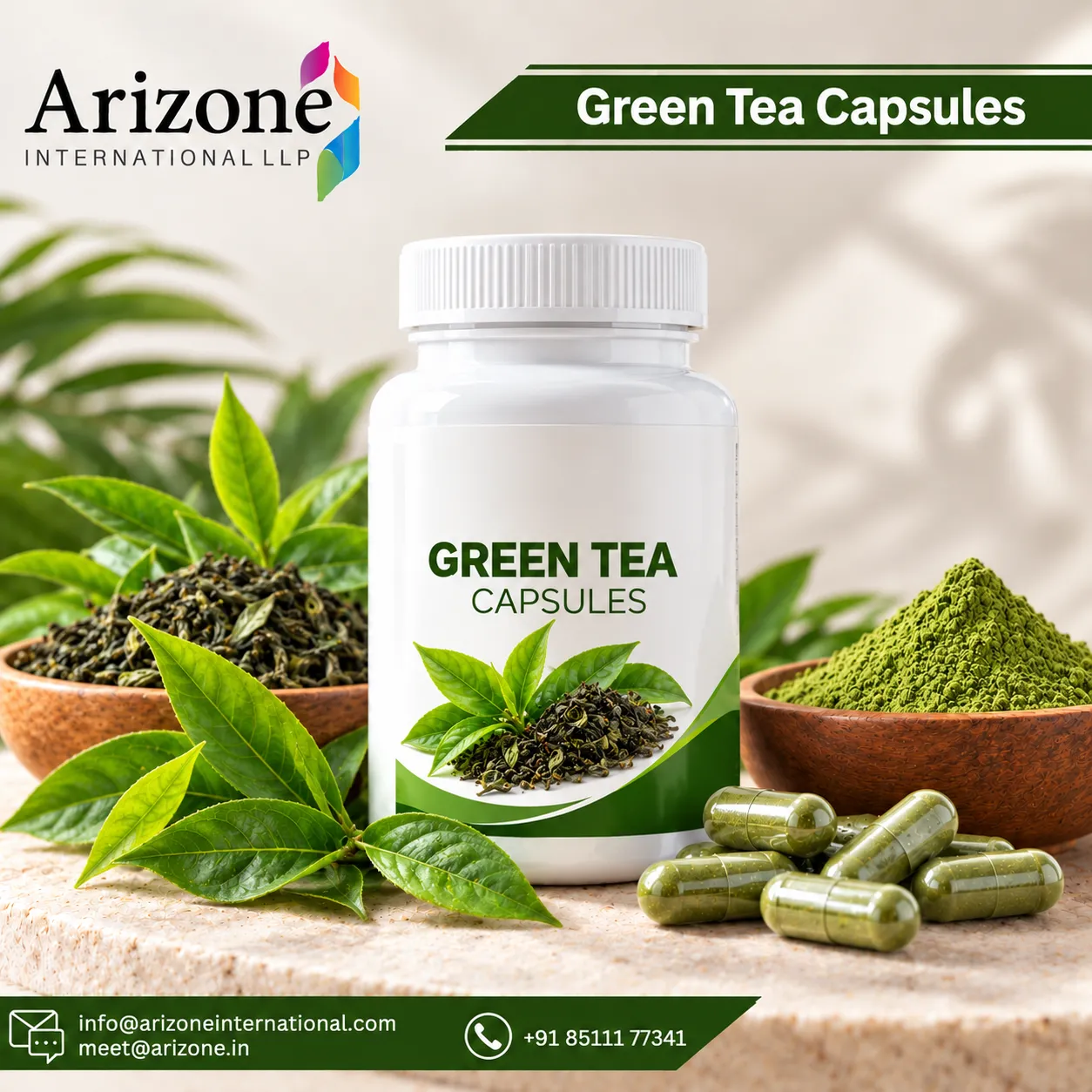
Green tea extract capsules are a staple of the weight management and antioxidant aisle in the US, UK and Europe. They are also one of the few botanical supplements with a specific EU safety limit, because high doses of the catechin EGCG have been linked to liver effects. For brands, getting the dose and the label right is not optional.
In short: in the EU, green tea extract supplements must supply less than 800 mg of EGCG a day and carry specific warnings. Great Britain does not apply that EU rule, but UK experts have reviewed the same liver evidence. Here is what that means for choosing and making green tea extract capsules.
Key takeaways
- Green tea extract is concentrated from Camellia sinensis leaves and standardised to polyphenols, catechins or EGCG.
- EU Regulation 2022/2340 requires less than 800 mg EGCG per day from these products, with warnings on the label.
- The EU rule does not apply in Great Britain, but applies in Northern Ireland; UK experts have reviewed the liver evidence.
- Caffeine content and taking capsules with food are part of good labelling.
What green tea extract capsules contain
Green tea extract is made from the leaves of Camellia sinensis, extracted with water or water-ethanol and dried. It is usually standardised to total polyphenols, total catechins or EGCG (epigallocatechin gallate), the most abundant catechin. Extracts may be regular or decaffeinated.
| Common grade | What it describes |
|---|---|
| Polyphenols 50–98% | All polyphenols, measured by UV or HPLC |
| Catechins 40–80% | The catechin family, including EGCG |
| EGCG 45–95% | EGCG alone, by HPLC |
| Decaffeinated | Caffeine reduced, with a stated maximum |
EGCG and the liver question
In 2018 EFSA concluded that taking 800 mg or more of EGCG a day from food supplements was linked to increased liver enzymes in clinical trials. It also noted rare liver reactions and could not set a safe intake level for catechins from supplements. Brewed green tea at normal intakes was considered safe. The UK Committee on Toxicity later published its own statement on the liver effects of green tea catechins.
The EU 800 mg rule
Regulation (EU) 2022/2340 placed green tea extracts containing EGCG under specific conditions in the EU:
- A daily portion must provide less than 800 mg of EGCG.
- Labels must state the maximum number of portions a day and the EGCG content per portion, and warn against taking 800 mg or more a day.
- Warnings are required against use in pregnancy, breastfeeding and under 18, against combining with other green tea products, and against taking it on an empty stomach.
- Green tea extracts remain under scrutiny, so the rules may change.
Formulating green tea capsules for the EU? Ask us for EGCG specs and label guidance.
Request SpecsUK and US positions
- Great Britain: the EU amendment does not apply, but the UK Committee on Toxicity has reviewed the liver evidence. Many brands apply similar dose limits and warnings voluntarily.
- Northern Ireland: the EU rule applies under the Windsor Framework.
- USA: sold as dietary supplements. Responsible brands add cautionary wording about liver health, advise taking capsules with food and avoid weight loss disease claims.
Grades and testing
- EGCG and catechins by HPLC, so the daily EGCG can be calculated exactly.
- Caffeine content, especially for decaffeinated grades.
- Residual solvents, pesticides and heavy metals; tea can carry pesticide residues.
- Pyrrolizidine alkaloids, which EU rules limit in tea and some supplements.
See how to read a COA for what a complete certificate looks like.
Private label tips
Set the EGCG per capsule first, then the number of capsules a day, and keep the total comfortably below 800 mg for EU products. Add clear warnings, advise taking capsules with food, and decide whether to use decaffeinated extract. Pairings with green coffee bean or other botanicals are common in weight management ranges, but each ingredient needs its own checks. Our EU health claims guide covers claim wording.
With green tea extract, the EGCG maths comes first: milligrams per capsule, capsules per day, and a total well below the limit.
Green Tea and Related Capsules
Green tea capsules and related botanicals for private label brands, with a certificate of analysis for every batch.
Green Tea Capsules
View Product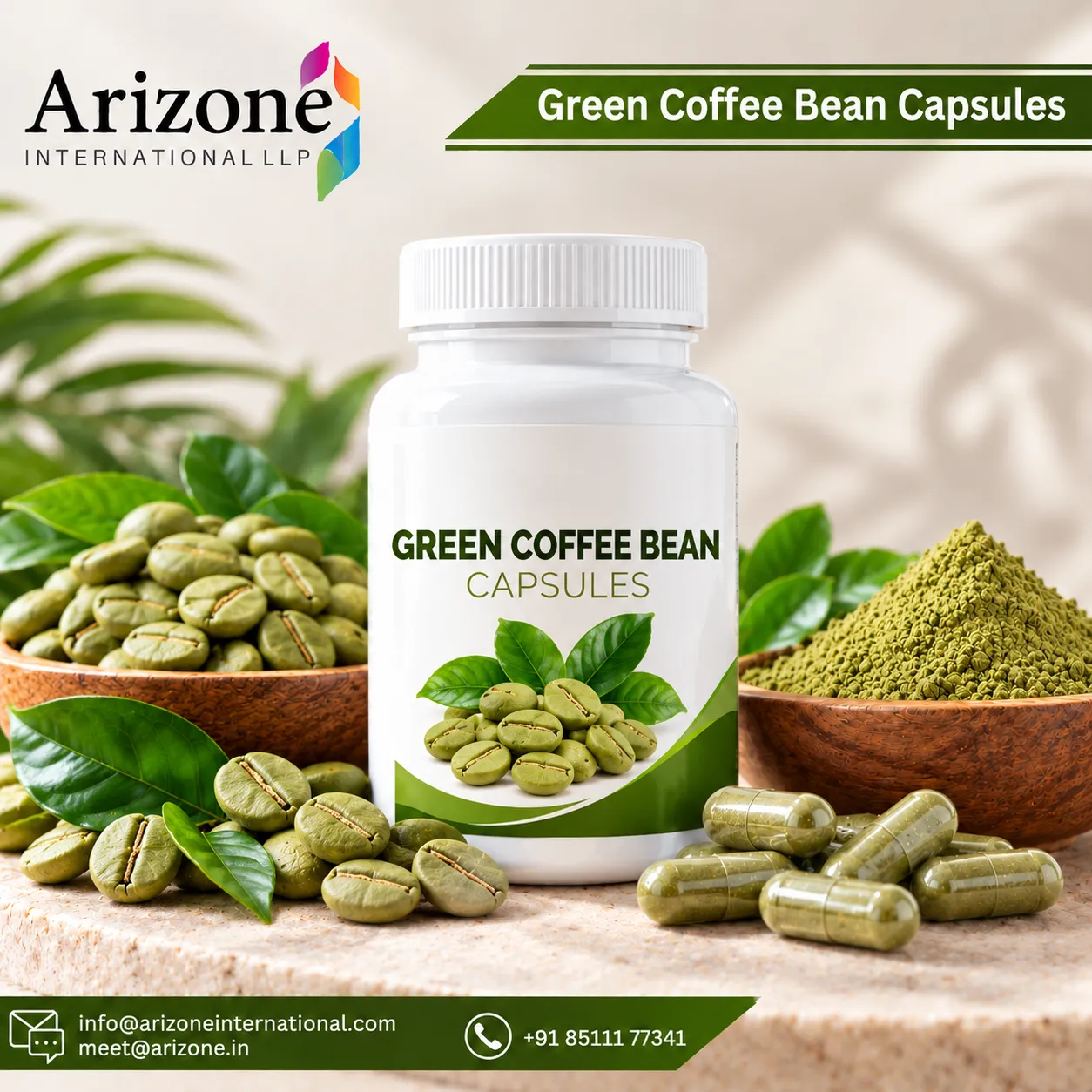
Green Coffee Bean Capsules
View Product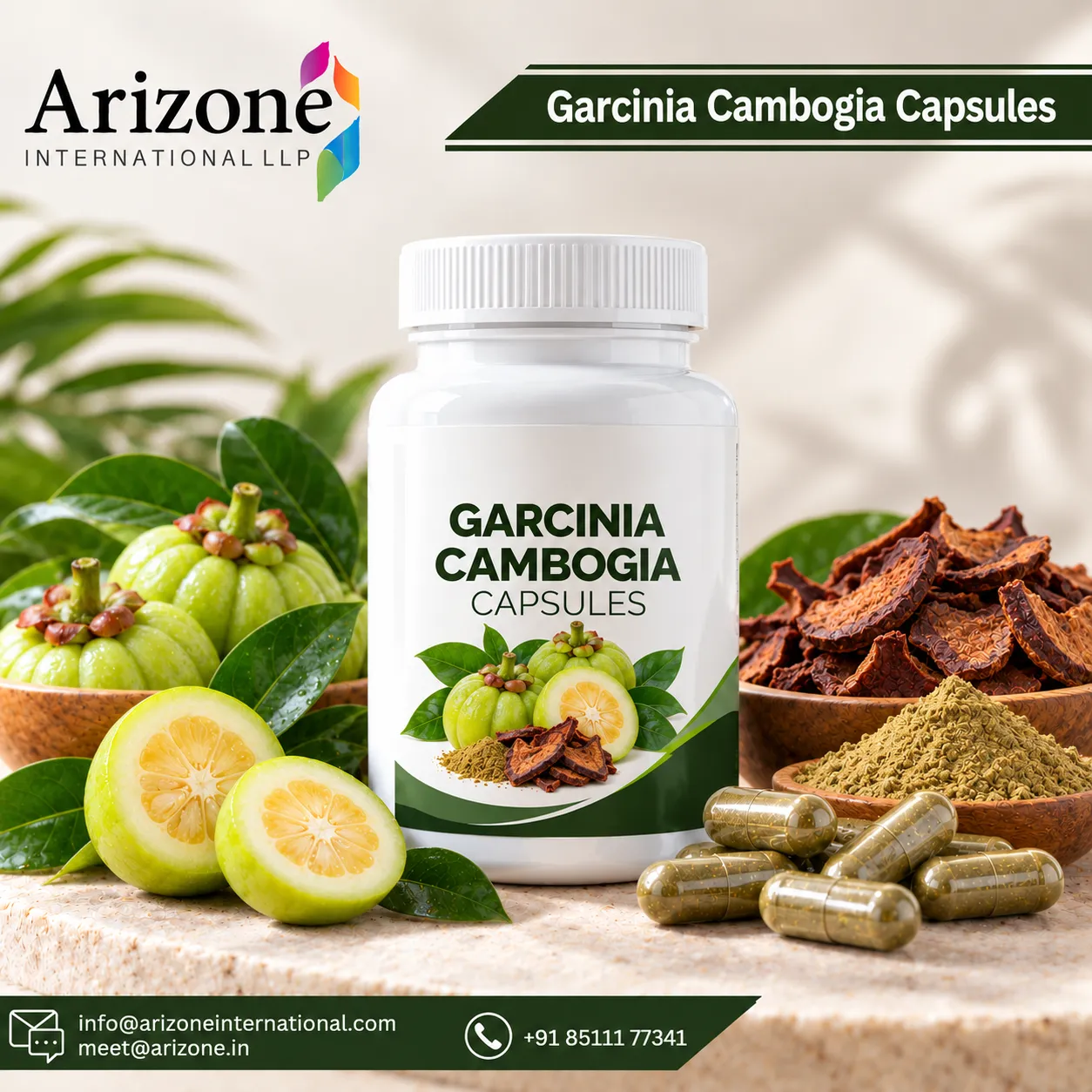
Garcinia Cambogia Capsules
View Product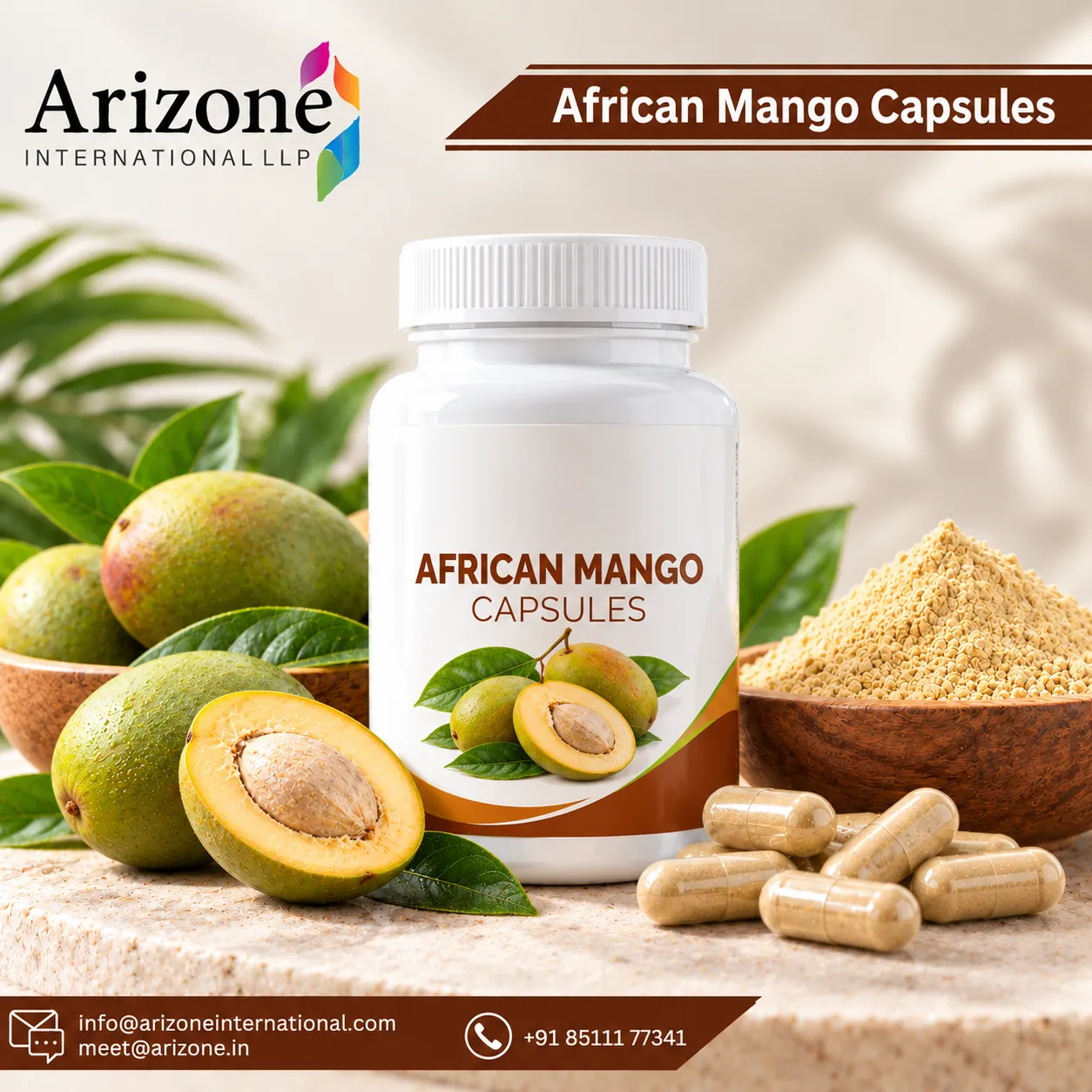
African Mango Capsules
View Product
Citrus Bergamot Capsules
View Product
Cayenne Pepper Capsules
View ProductGreen tea capsules from Arizone
Arizone International LLP makes green tea capsules for private label brands outside India. Tell us your target market and EGCG per capsule, and we'll confirm the specification, test results and label points before you order. Every batch ships with a certificate of analysis.
Sources: Food Safety Magazine: EU limits green tea extract with EGCG; CIRS: EGCG added to EU restricted list; EFSA 2018: scientific opinion on the safety of green tea catechins.
Green Tea Extract Questions
Under Regulation (EU) 2022/2340, a daily portion must provide less than 800 mg of EGCG, with specific warnings on the label.
Not in Great Britain, but it does apply in Northern Ireland. UK experts have reviewed the same liver evidence.
At normal doses most people tolerate it, but high EGCG intakes from supplements have been linked to liver effects. Take with food and follow the label.
It depends on the extract grade and fill. Labels should state EGCG per capsule and per daily serving.
No. Extracts concentrate catechins far beyond a cup of tea, which is why supplement limits exist.
Yes. Decaffeinated extracts state a maximum caffeine content on the specification.