
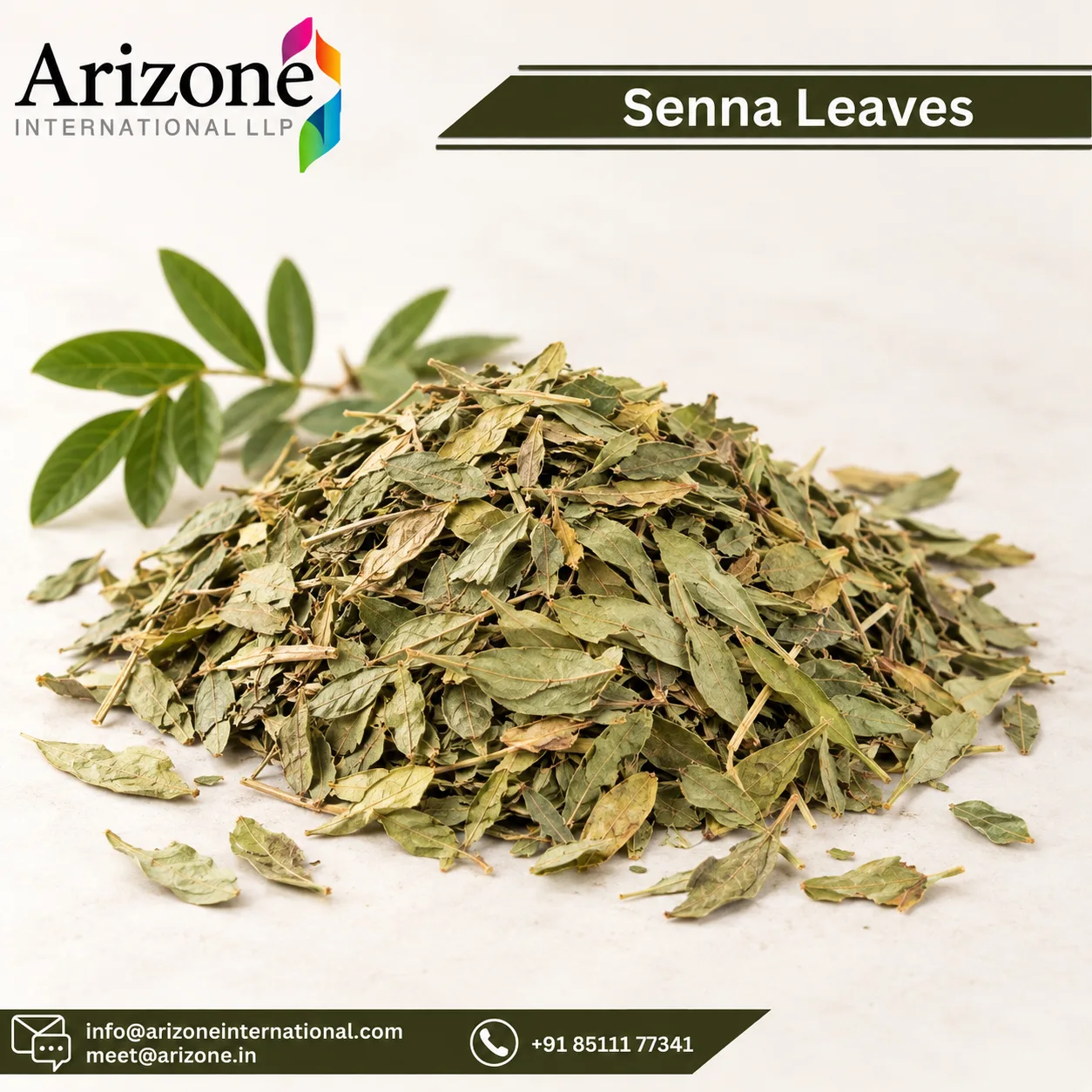
Senna is one of India's quiet export successes. Tinnevelly senna, grown mainly in Tamil Nadu, supplies leaf, pods and extracts to laxative makers, tea brands and supplement companies worldwide. It's also an ingredient under active regulatory pressure in Europe, where plants containing hydroxyanthracene derivatives have been under EU scrutiny since 2021 and a move to prohibit them in foods is now close. Here's a practical guide to senna grades and testing, and an honest picture of where the EU rules stand in October 2026.
In short: senna is bought as leaf, pods or extract standardised to sennosides, tested either by a pharmacopoeial photometric method or by HPLC. In the EU, senna in foods, including food supplements, has been on the "under scrutiny" list since 2021, and a draft regulation to prohibit it in foods has passed the standing committee and was in its final scrutiny period up to 15 October 2026. Senna in authorised medicines is a separate matter. If you sell senna food products in the EU, plan now.
Senna leaf, pods and extract
Indian senna is Cassia angustifolia (now often named Senna alexandrina, which also covers Alexandrian senna). Both leaves and pods (fruits) are traded. Their active compounds are sennosides, a group of hydroxyanthracene glycosides, mainly sennosides A and B. Pods usually carry more sennosides than leaves.
| Form | Typical use | What to specify |
|---|---|---|
| Whole or cut leaf | Herbal teas, further processing | Sennoside content, foreign matter, leaf size grade |
| Leaf powder | Capsules, blends | Sennosides, mesh, microbiology |
| Pods | Teas, extraction | Sennosides, pod grade, broken pieces |
| Extract (e.g. 20% sennosides) | Capsules and standardised products | Sennoside assay with method, often as calcium sennosides |
How sennosides are tested
Pharmacopoeias such as the European Pharmacopoeia measure total hydroxyanthracene glycosides by a photometric method, expressed as sennoside B. Many extract specifications instead quote sennosides A and B by HPLC, which separates the individual compounds. The two methods don't give identical numbers, so, as with any standardised extract, write the method into your specification and compare suppliers on the same one. Our guide on reading a COA explains why that matters.
Senna is also a field crop dried in the sun, so microbiology, pesticides, foreign matter and, for the EU, ethylene oxide all belong on the COA.
The EU rules: what has happened so far
In March 2021, Commission Regulation (EU) 2021/468 amended the rules on substances added to foods (Regulation (EC) No 1925/2006) after an EFSA opinion on hydroxyanthracene derivatives:
- Prohibited in foods: aloe-emodin, emodin, danthron, and preparations from aloe leaves containing hydroxyanthracene derivatives.
- Placed under EU scrutiny: preparations from senna, rhubarb (Rheum) and frangula/cascara (Rhamnus) species. They could still be used in foods while the scrutiny continued.
A draft Commission regulation would now move senna, rhubarb and frangula/cascara preparations from the scrutiny list to the prohibited list, which would stop their use in foods, including food supplements, across the EU. The draft was endorsed by the EU's Standing Committee on Plants, Animals, Food and Feed, and the European Parliament and Council scrutiny period ran from 15 July to 15 October 2026. The ban only becomes enforceable once the Commission formally adopts it and it is published in the Official Journal, with whatever transition period that final text sets.
Senna in authorised medicinal products, such as registered laxatives, is regulated under medicines law and isn't covered by this food measure.
What this means for buyers
- EU food and supplement brands: watch for the final adoption and publication, and plan reformulation or a move to a medicinal route if senna is central to your product.
- EU medicine manufacturers: pharmacopoeial-grade senna for authorised medicines continues under medicines rules.
- UK, USA and other markets: the EU measure doesn't apply. In the USA, senna is widely used as a laxative ingredient under the rules for its product category. Check your own market's requirements.
- All buyers: keep labels free of disease claims, and follow any national warnings on stimulant laxatives, such as short-term use only.
For the wider picture on what botanical supplements can say in the EU, see EU health claims for botanicals.
Senna isn't banned from EU foods yet, but the direction is clear. Build your 2027 plan on the assumption that it will be.
Senna from Arizone
Arizone International LLP supplies senna leaves, senna pods, senna leaf powder and senna leaf extract to export customers, with a certificate of analysis for every batch. Tell us your market, the product category (food, tea or medicine) and the sennoside method you use, and we'll confirm the specification before you order. Whether a product may be sold in a given market is for the importer and brand to confirm.
Sources: Commission Regulation (EU) 2021/468; AGRINFO: herbal preparations containing hydroxyanthracene derivatives.
Senna Questions
Not yet in foods. Senna has been under EU scrutiny since 2021, and a draft regulation to prohibit it in foods, including supplements, completed its scrutiny period on 15 October 2026. It applies only after formal adoption and publication.
No. It's a food law measure. Senna in authorised medicinal products is regulated separately under medicines law.
Sennosides are hydroxyanthracene glycosides, mainly sennosides A and B, found in senna leaves and pods. Extracts are standardised to them.
Either by a pharmacopoeial photometric method, expressed as sennoside B, or by HPLC for sennosides A and B. State the method in your specification.