
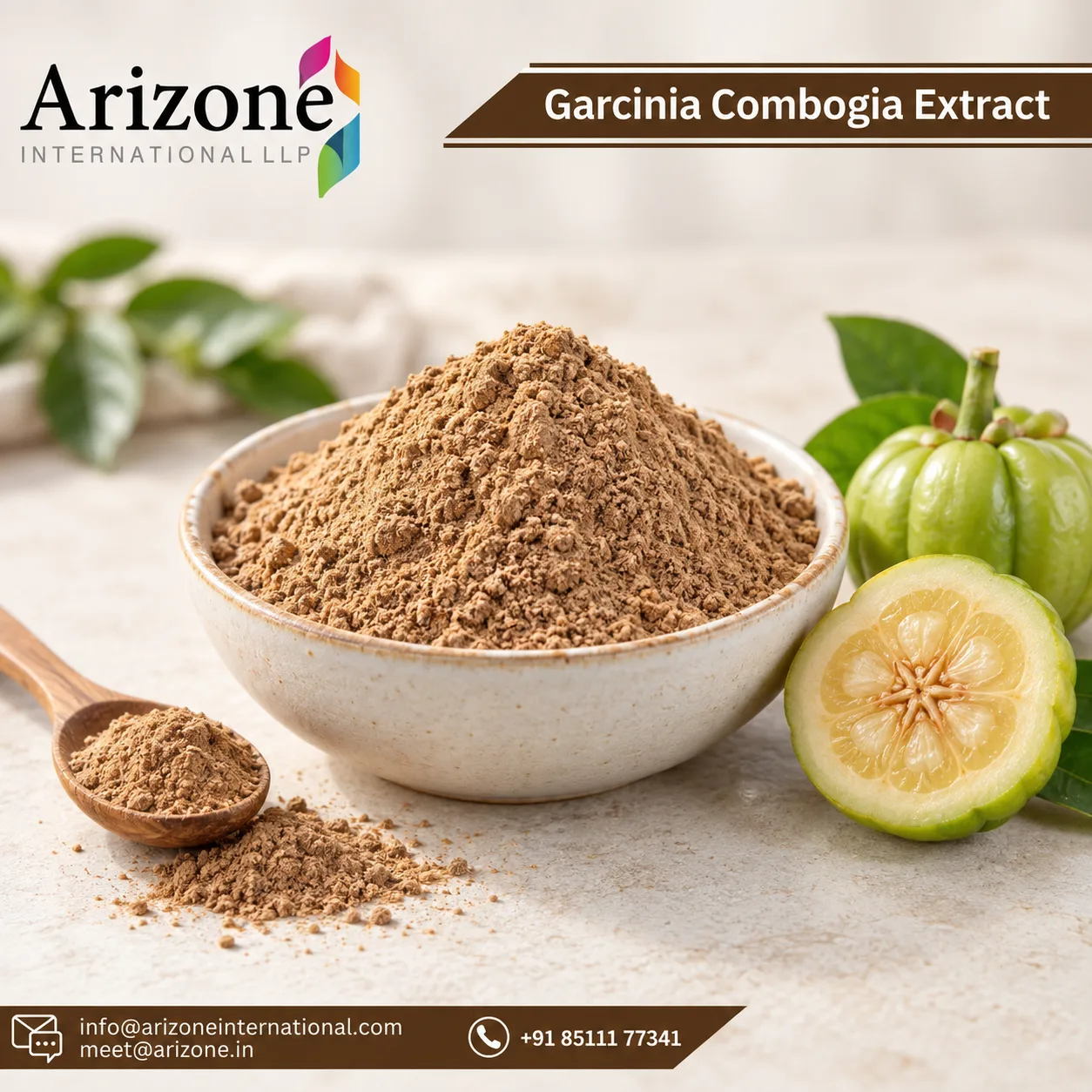
Garcinia cambogia extract looks like an easy product to buy: one marker, hydroxycitric acid (HCA), and a percentage on the label. In practice, "60% HCA" can describe several different powders. HCA can be present as a free acid, as a lactone, or bound to calcium and potassium, and each behaves differently in a capsule or a drink. This guide explains what sits behind the number, how to test it, and the safety points that responsible brands now keep on file.
In short: ask for HCA by HPLC, with free acid and lactone reported, and state which salt form you need. Calcium-potassium salts are the most common choice for capsules because they're more stable and less sour. Check ash, moisture and heavy metals, and be aware that regulators such as Australia's TGA have warned about rare liver injury linked to garcinia and HCA products.
Where the extract comes from
The extract is made from the dried fruit rind of Garcinia gummi-gutta, still widely sold under its older name Garcinia cambogia. The tree grows in the humid forests of south-west India, mainly Karnataka and Kerala, where the sun-dried rind, known locally as kudampuli or Malabar tamarind, has long been used to sour curries. The rind is extracted with water, the HCA is concentrated, and it is usually turned into a salt so it stays stable as a dry powder.
Free acid, lactone and salts: why the form matters
HCA is not a very stable molecule on its own. As a free acid it readily closes up into a ring form called HCA lactone, especially when it's concentrated or heated. The lactone is a different compound, and many specifications want to know how much of each is present. To keep HCA stable and easy to handle, manufacturers neutralise it with minerals to make salts.
| Form | Typical use | Points to note |
|---|---|---|
| Calcium salt | Capsules | Stable, low taste; poorly soluble in water |
| Calcium-potassium (double) salt | Capsules, some powders | A common premium form; better solubility than calcium alone |
| Potassium salt | Drinks and liquid products | Water soluble but hygroscopic; needs good packing |
| Free acid / liquid concentrate | Food and beverage processing | Sour; tends to form lactone; less common for supplements |
If you're making drinks, tell your supplier early. The right salt for a capsule is not always the right salt for a drink.
50% vs 60% HCA
The most traded grades are standardised to 50% or 60% HCA. A higher figure means more HCA per gram and a smaller fill weight per serving, but the price rises with it. More important than the headline number is how it was measured. The USP monograph for Garcinia cambogia refers to the sum of hydroxycitric acid and its lactone measured by HPLC, so an HPLC result that reports both is the one to ask for. Titration results tend to count other acids too, which flatters the figure.
Ash and minerals: a quick quality check
Because HCA is sold as a mineral salt, a garcinia extract naturally contains some ash. But very high ash can be a sign that extra mineral salts have been added to bulk up weight without adding HCA. Ask for ash and, for salt forms, the calcium and potassium content, then check that the numbers make sense together with the HCA result.
Safety: what brands now keep on file
Garcinia has been sold for weight management for many years, and it has also drawn safety attention. Australia's Therapeutic Goods Administration has warned that products containing garcinia or hydroxycitric acid, including its calcium, potassium and sodium salts, may cause liver injury in rare cases, and published case series have described serious liver injury in people taking garcinia products, sometimes combined with other ingredients such as green tea extract.
That doesn't mean the ingredient can't be sold, but it does mean a careful brand checks the rules and required warnings in each market, keeps doses within established ranges, avoids unsupported weight-loss claims, and keeps a safety file. In the EU, weight-loss health claims for botanicals are not authorised; see EU health claims for botanicals.
A specification you can copy
| Parameter | Example requirement |
|---|---|
| Botanical source | Garcinia gummi-gutta (L.) Roxb. (syn. G. cambogia), dried fruit rind |
| Assay | HCA not less than 60% (or 50%), free acid + lactone, by HPLC |
| Salt form | Calcium-potassium salt (or as agreed), with Ca and K content |
| Loss on drying | Agreed maximum; potassium salts need tight moisture control |
| Ash | Agreed range consistent with the salt form |
| Contaminants | Heavy metals, microbes, pesticides and, for the EU, ethylene oxide |
Our guide on how to read a COA explains these lines in more detail.
With garcinia, "60% HCA" is only half a specification. Add the method, the salt form and the ash, and you know what you're buying.
Garcinia from Arizone
Arizone International LLP supplies garcinia cambogia extract and garcinia cambogia capsules to buyers outside India, with a certificate of analysis for every batch, made under ISO 22000:2018, GMP, FSSAI and HACCP. Tell us the HCA level, salt form and market, and we'll confirm the specification and test method before you order.
Sources: TGA safety alert: garcinia and hydroxycitric acid; Acute liver injury following Garcinia cambogia supplementation (PubMed).
Garcinia Cambogia Questions
HCA is hydroxycitric acid, the main marker compound in garcinia fruit rind. Extracts are usually standardised to 50% or 60% HCA.
Free HCA is unstable and tends to turn into its lactone. Mineral salts keep it stable as a dry powder; potassium salts dissolve better, calcium salts are less hygroscopic.
HPLC, reporting both free hydroxycitric acid and its lactone. Titration can count other acids and give higher, non-comparable results.
Regulators such as Australia's TGA have warned about rare cases of liver injury linked to garcinia and HCA products. Brands should check market rules and warnings and keep a safety file.